Print Infos
Here you will find all the essential information about my prints. Choosing the right format, finish and frame is worth taking time over.
I recommend specific options for certain images, though for many you are free to choose the format and finish according to your own preferences. Each print is made to order.
You order directly from me, the photographer.
Payment is by bank transfer upon receipt of the invoice. You are welcome to take your time reviewing the quote, ask questions and make your decision at your own pace. If you change your mind before production begins, cancellation is completely straightforward. This ensures the entire process is transparent and secure.
Finishes & Details — Overview
The photographs are available as prints in five different finishes. Not every image is available in all finishes. Examples of the finishes can be found at the bottom of the page. For quick reference:
Finishes & Presentations
Order
FAQ & Service
Edition
Printing Process & Paper
Examples - Images
Finishes & Frames
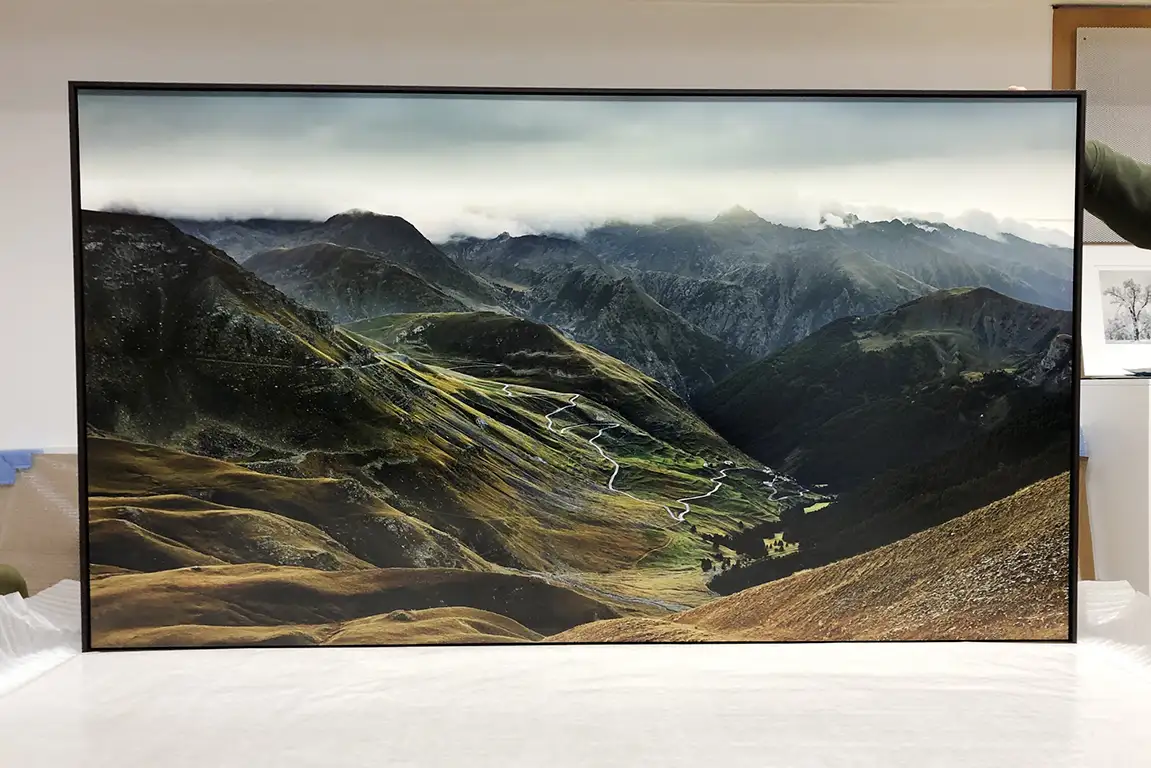
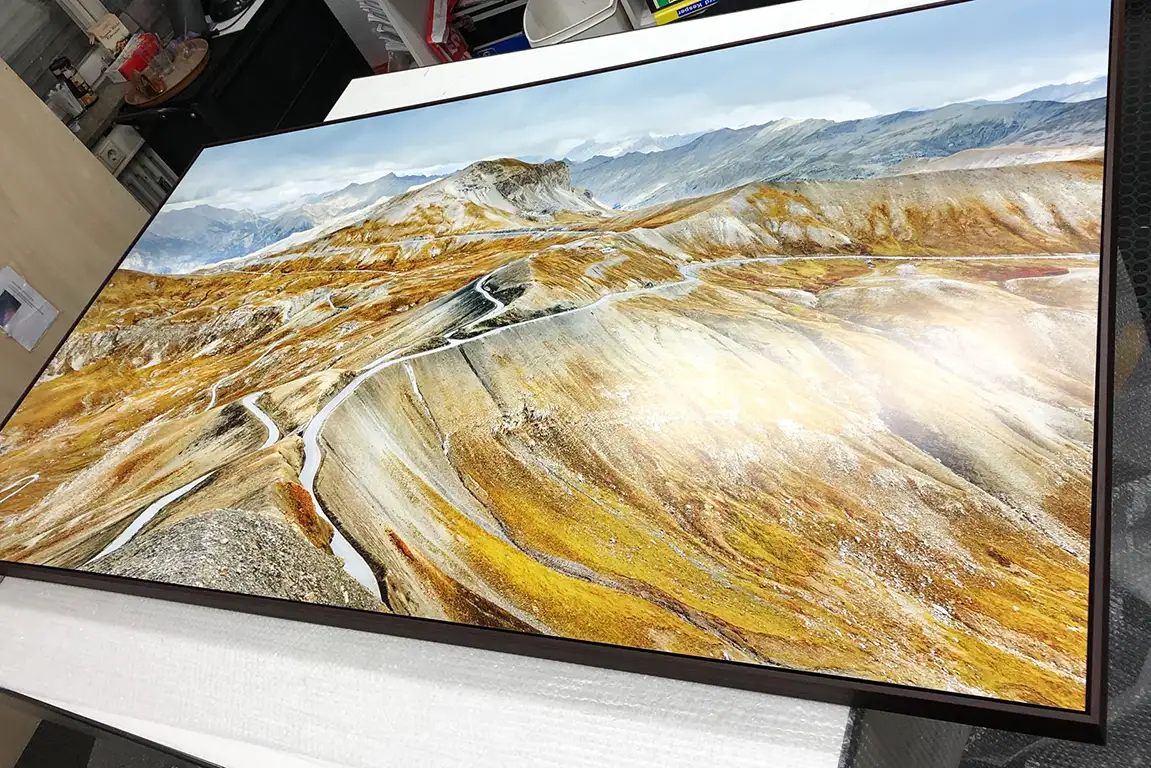
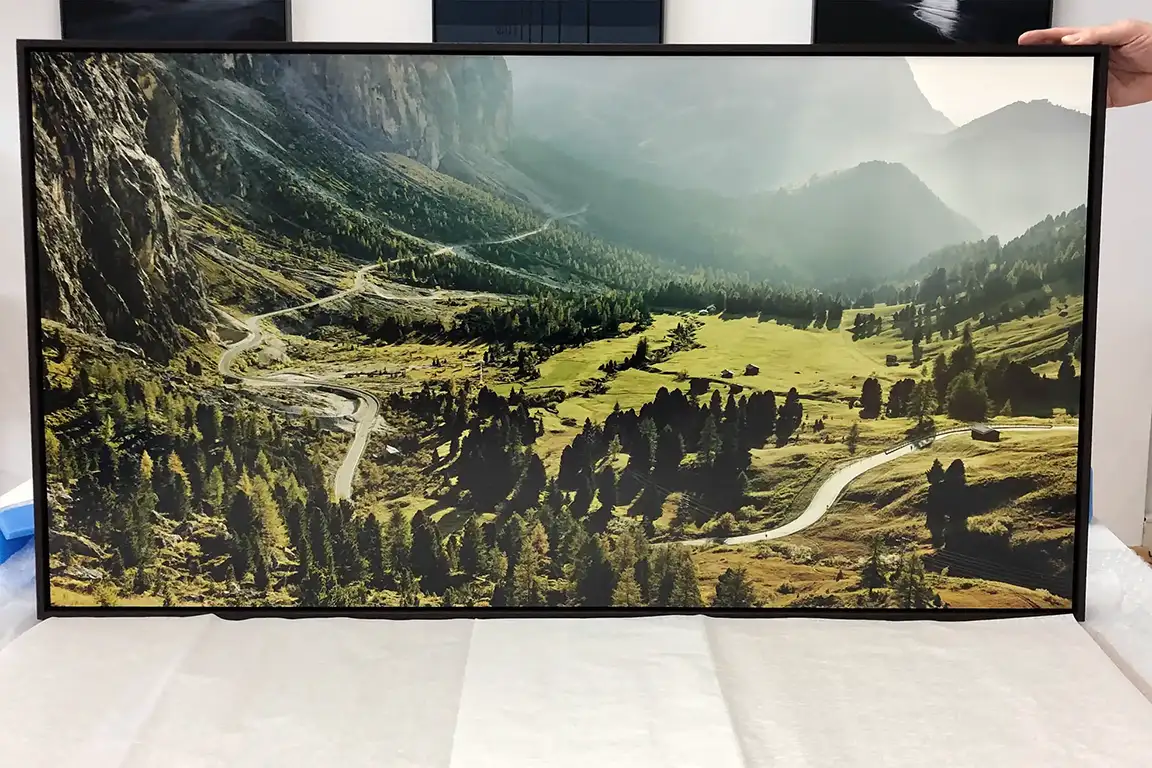
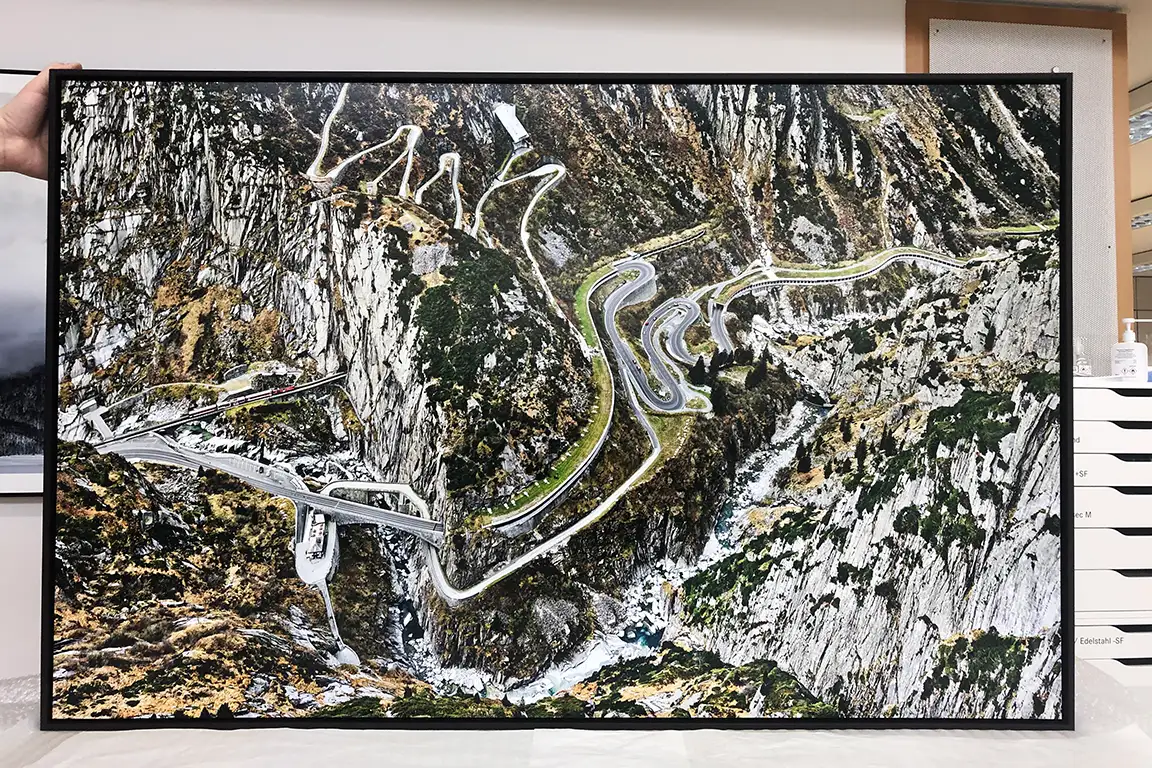
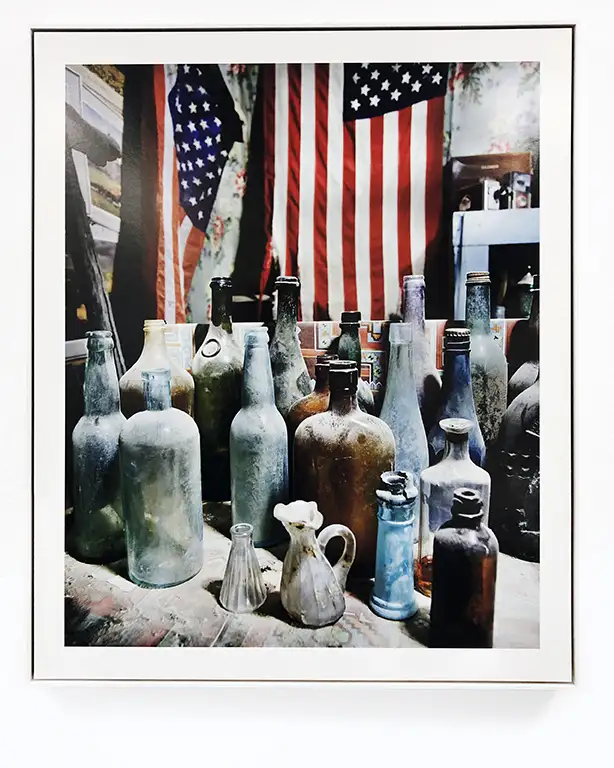
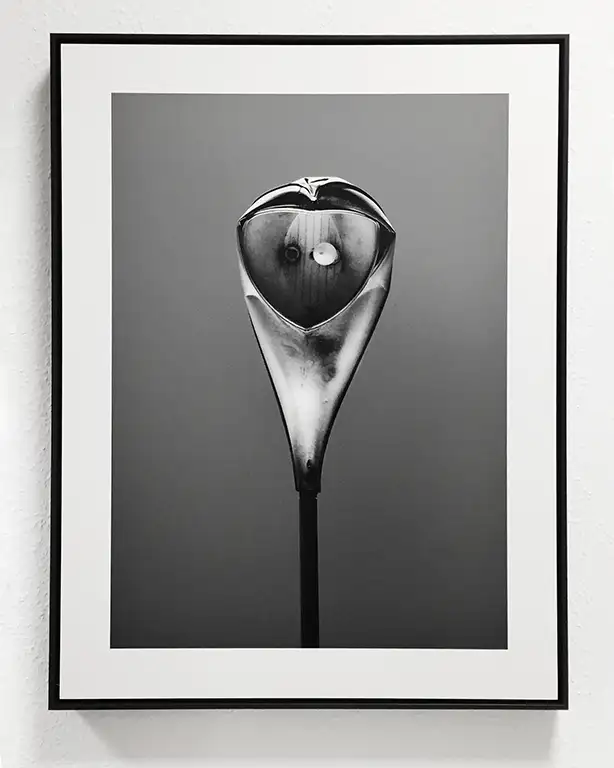
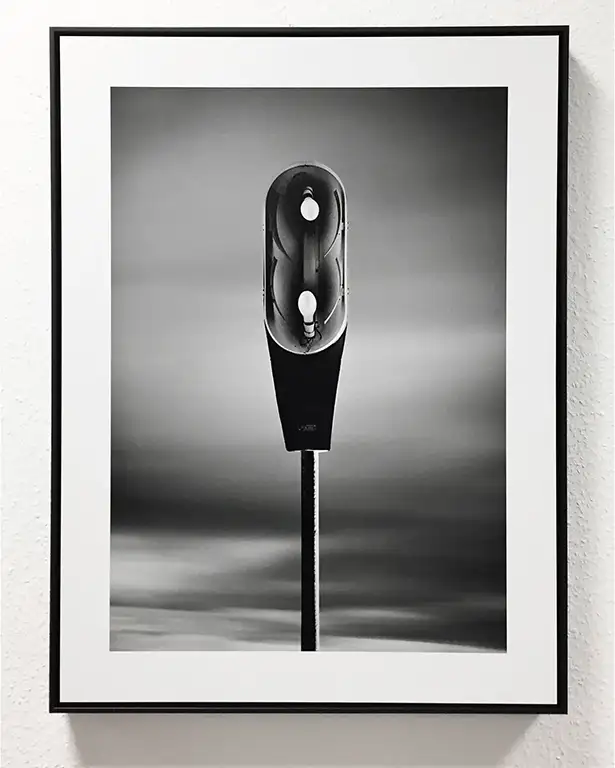
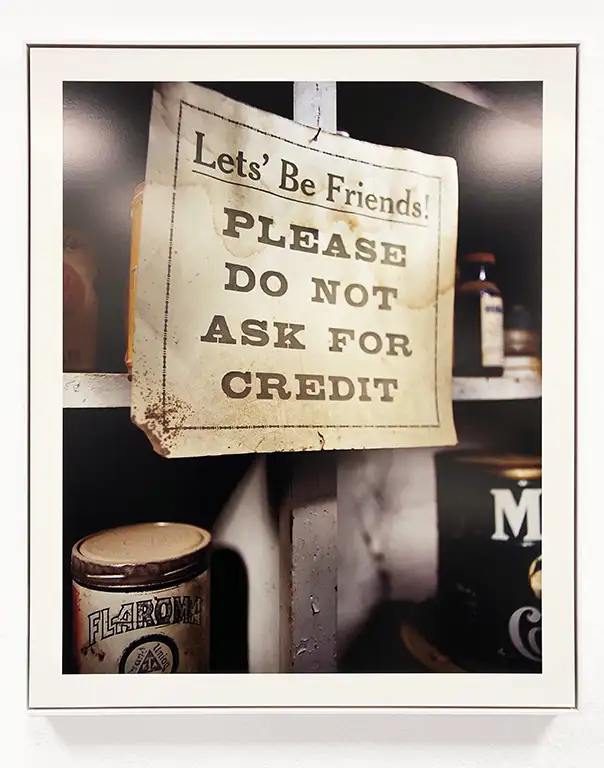
Floater Frame
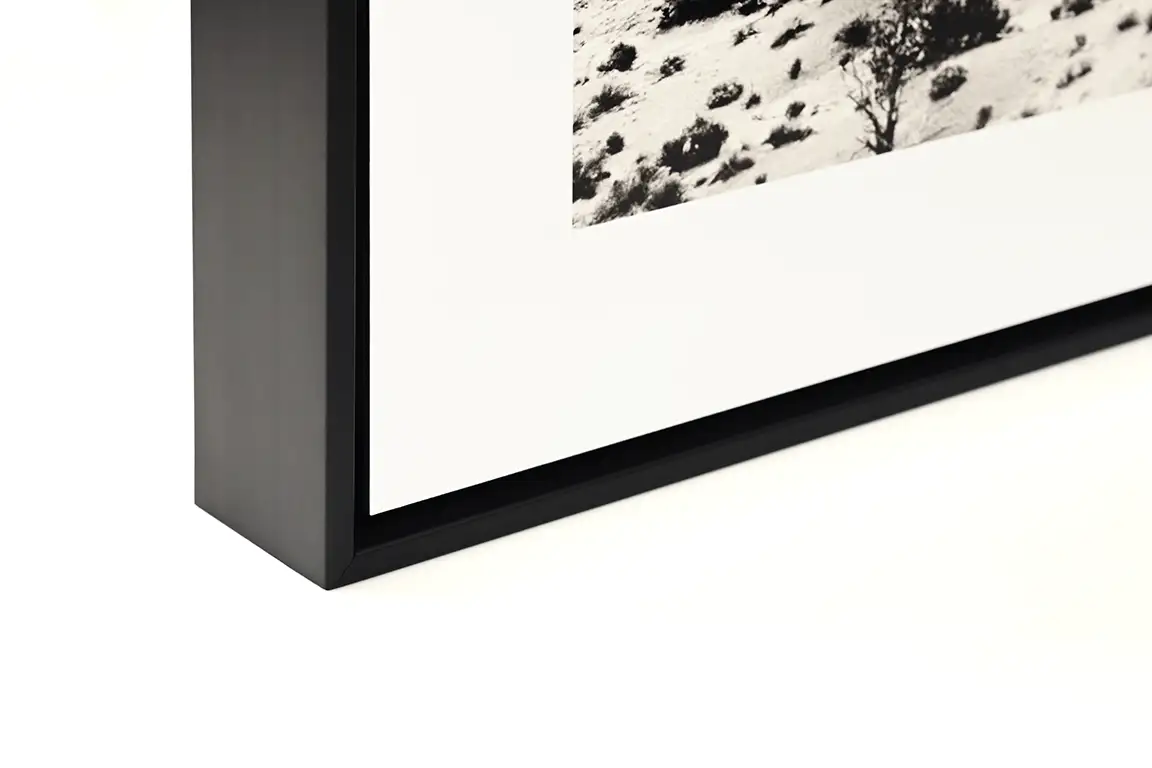
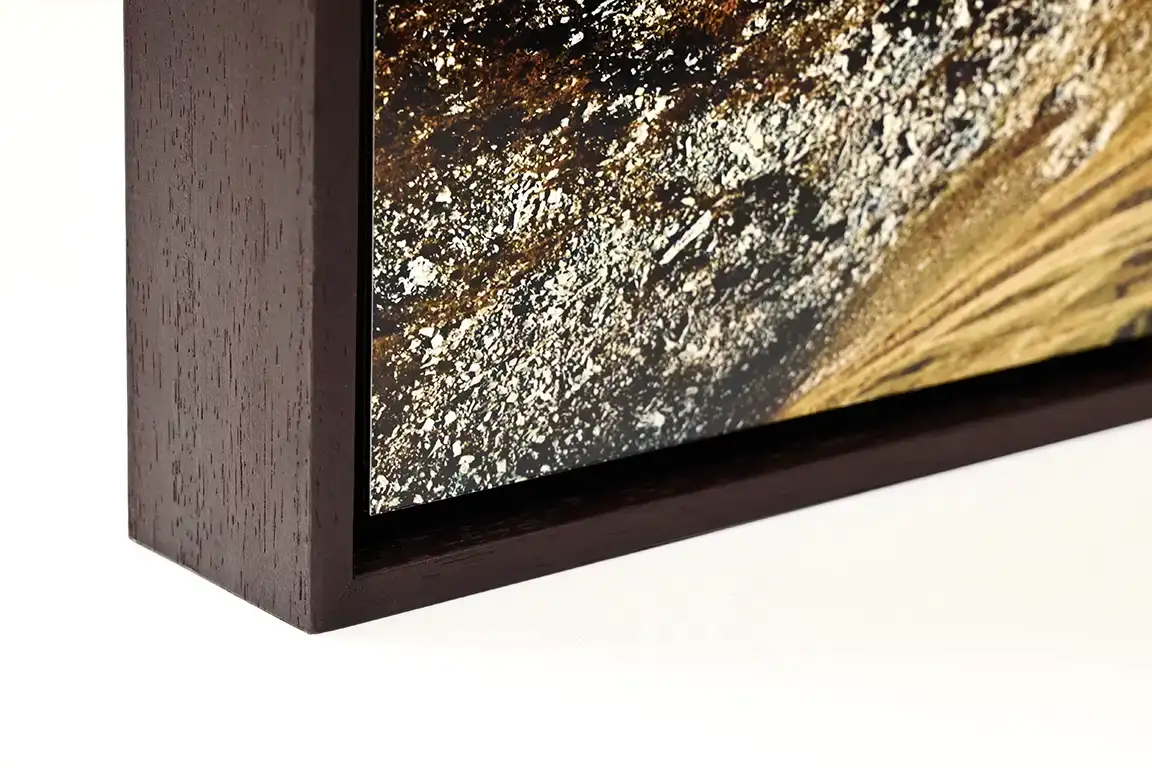
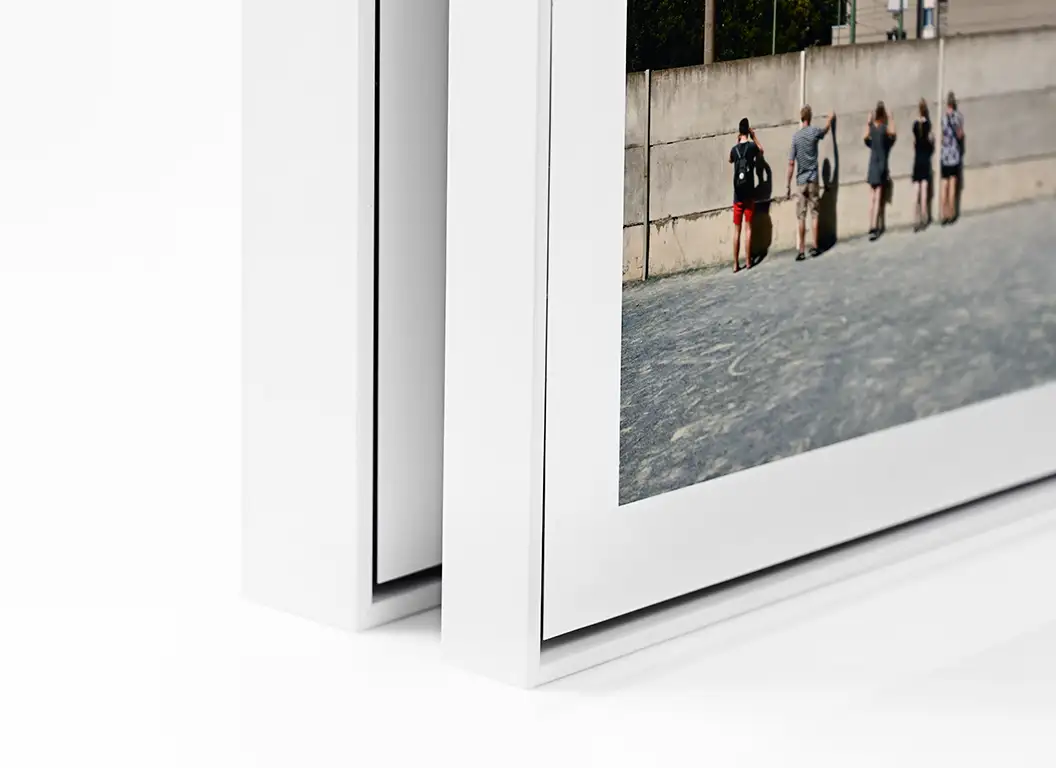
I particularly like this style of presentation and recommend it for photographs across many of my series — the result is elegant and timeless.
The photographic paper is first mounted onto a 2 mm thick aluminium Dibond panel and fitted into a bespoke wooden frame.
Between the frame and the print is a ‘shadow gap’, a space approximately 6–7 mm wide. This visible gap between the image and the frame creates an impression of lightness and depth.
The Floater Frames or shadow gap frames are available in finishes and wood types. Frames with a smooth surface are white and black. With frames made of glazed wood, the wood’s grain is slightly visible. The elegant solid wood frames are made from the respective wood, each available untreated, glazed, or oiled.
The frame depth (or profile height), should ideally be based on the size of the print. With bespoke solid wood frames, any profile depth can be achieved, though it is advisable not to go below 32mm.
I tend to prefer narrower profile widths (up to 10 mm) — the visible width when viewed from the front.
I am, of course, happy to offer advice.
Type: Archival pigment print
Paper: Baryta fine art paper
Optional: Wax sealing (see below)
Frame Depth
32 mm - 40 mm - 42 mm - 54 mm
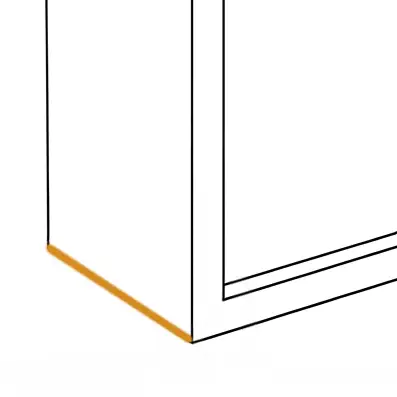
Profile Width
5 mm - 8 mm - 10 mm - 15 mm
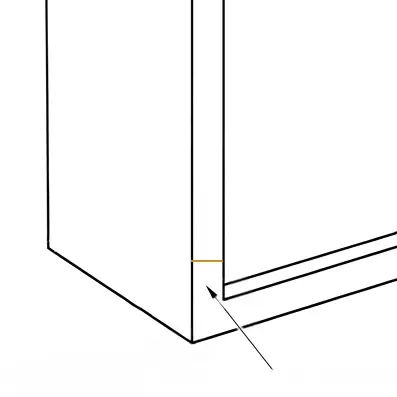
Smooth matt finish
White
Depth: 32 / 52 mm
Width: 5 mm
Black
Depth: 32 / 52 mm
Width: 5 mm
Wooden frame, glazed
Black glazed
Depth: 40 mm
Width: 5 mm
Moor colour glazed
Depth: 40 mm
Width: 5 mm
Brown glazed
Depth: 52 mm
Width: 8 mm
Solid wood Frames
Walnuss
Depth: 40 mm
Widht: 6 / 8 / 10 mm
Eiche geölt
Depth: 40 mm
Width: 6 / 8 mm
Eiche natur
Depth: 32 mm
Width: 5 mm
Erle
Depth: 36 mm
Width: 10 mm
Esche
Depth: 36 mm
Width: 10 mm
Ahorn
Depth: 36 mm
Width: 10 mm
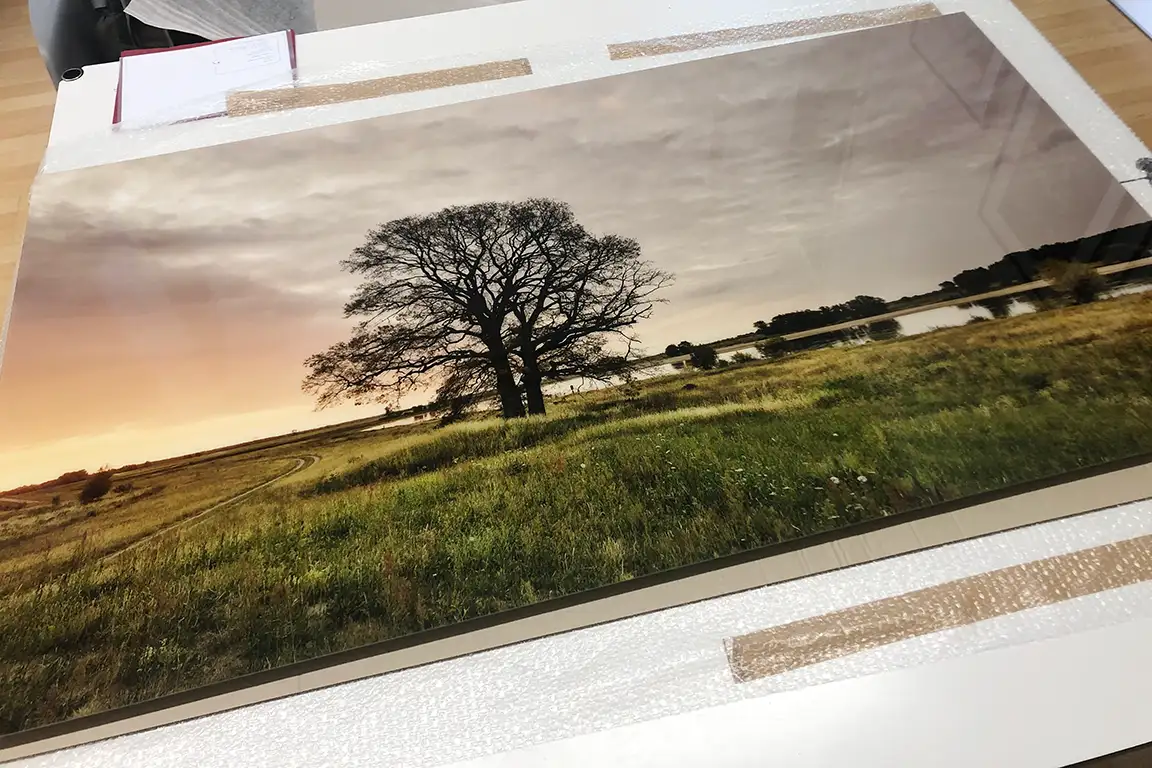
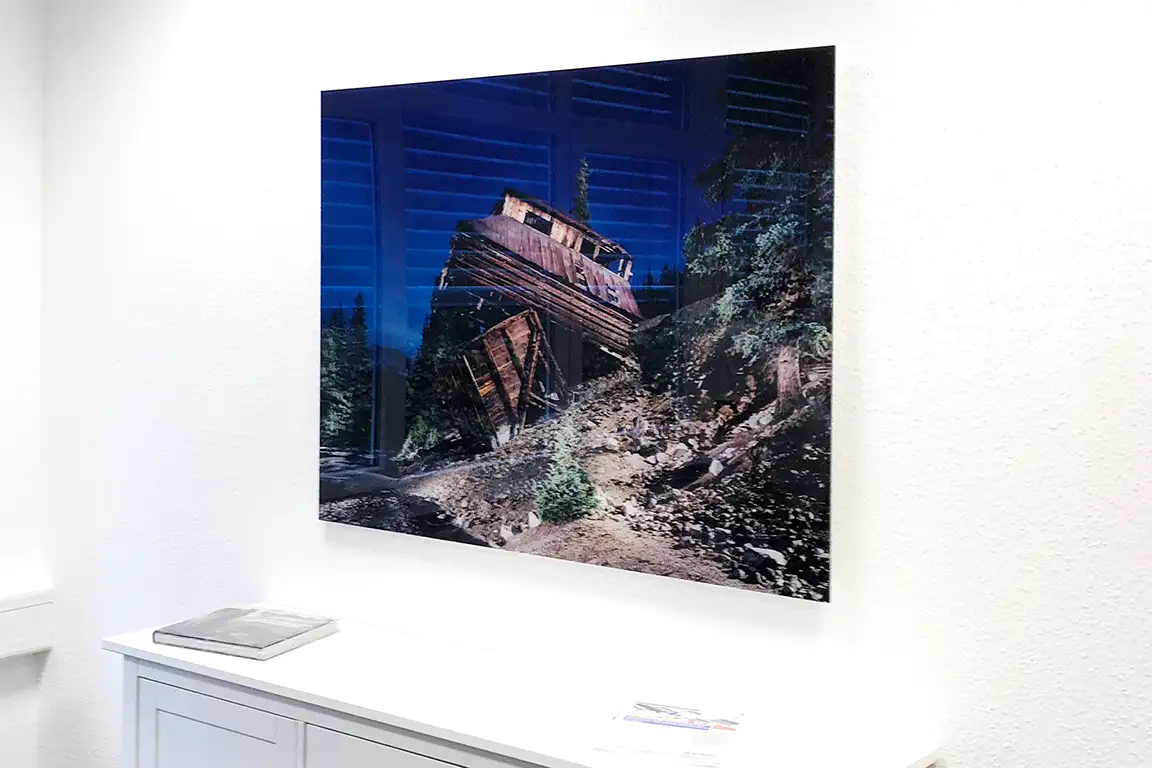
Alu-Dibond Mount
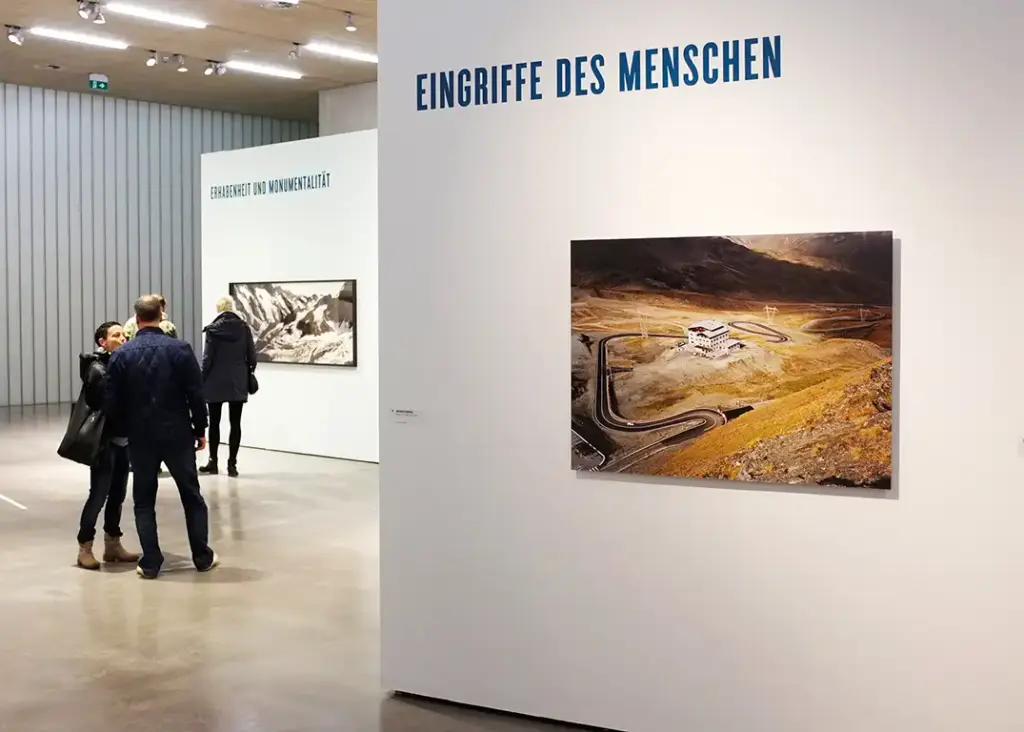
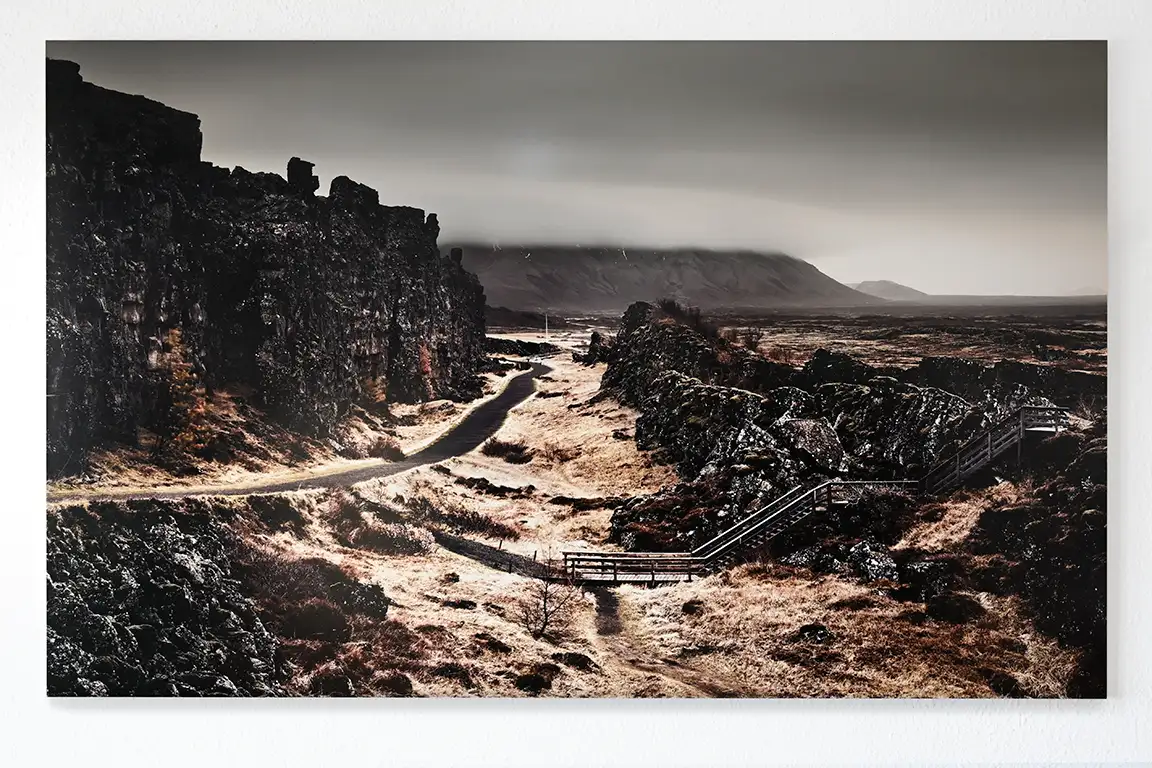
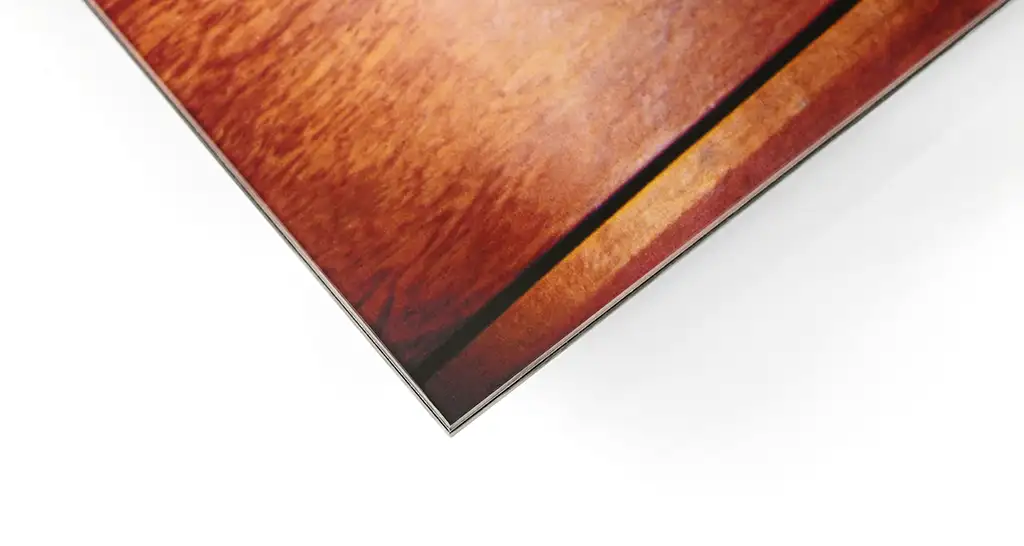
The print is mounted onto a 3 mm thick Aluminium Dibond panel. An aluminium hanging frame on the back ensures easy and secure hanging. Thanks to its light weight, this version is particularly well suited for wall mounting. Simple and timelessly modern – a classic.
A protective wax coating (see below) may be advisable for additional protection.
Type: Archival Pigment Print
Paper: Baryta inkjet paper.
Acrylic Glass
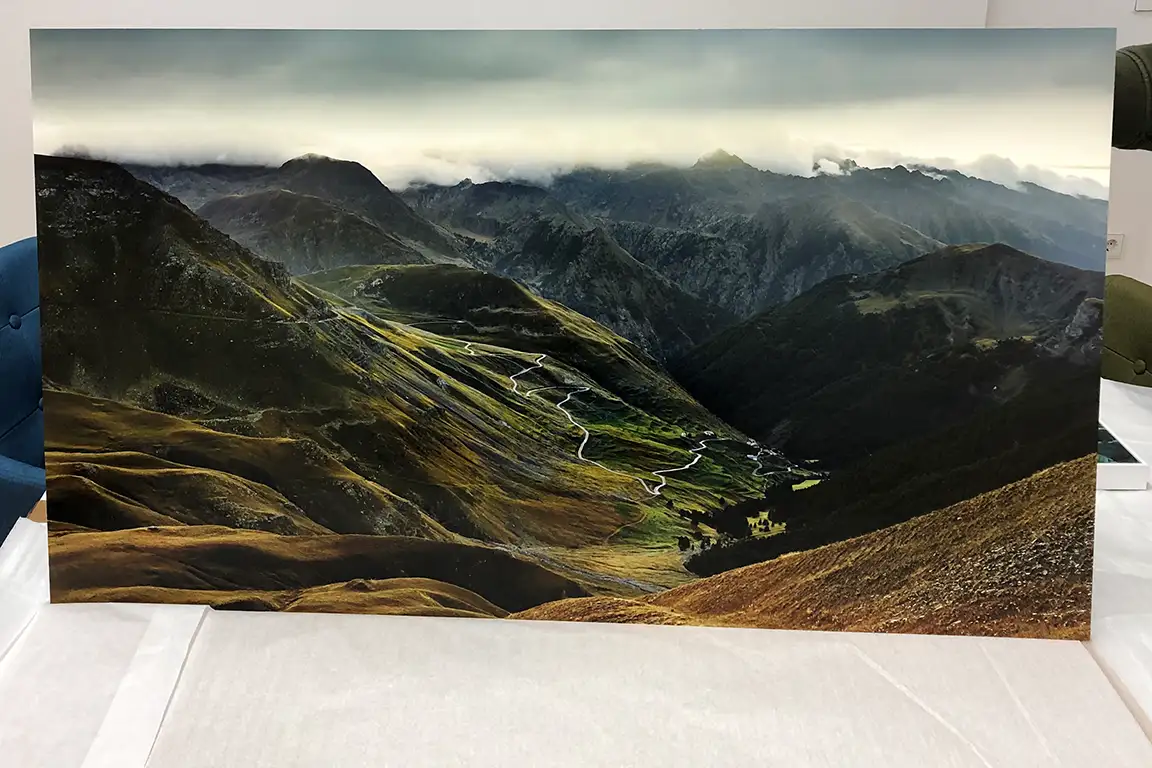
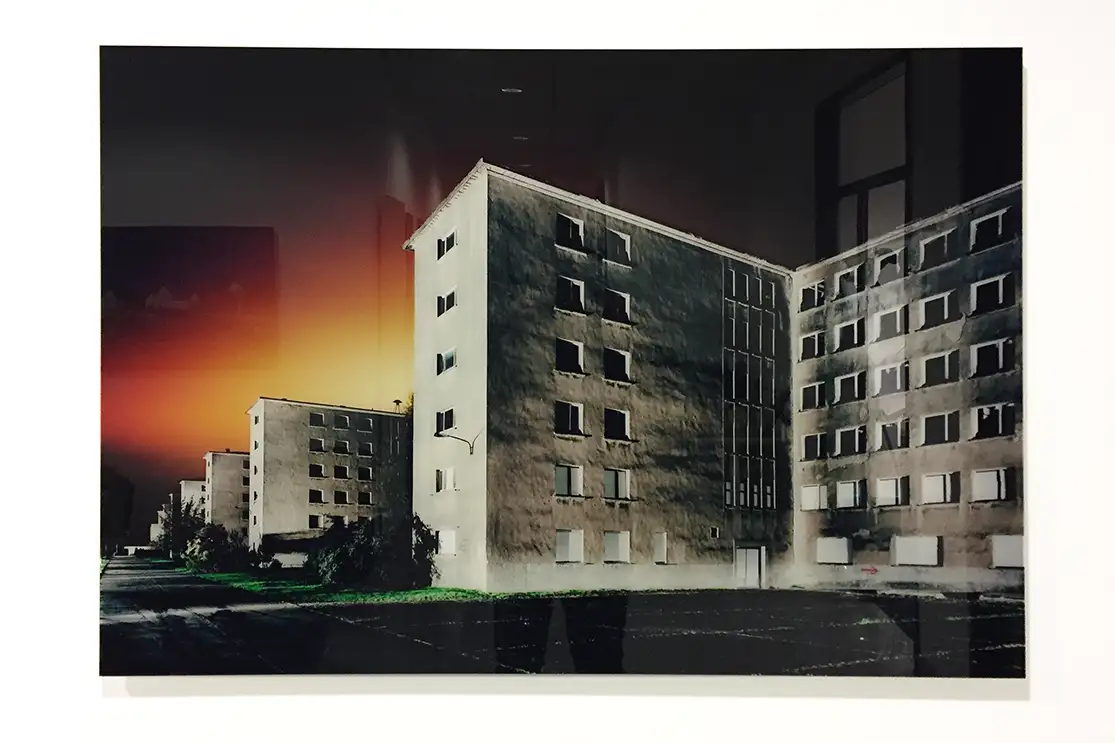
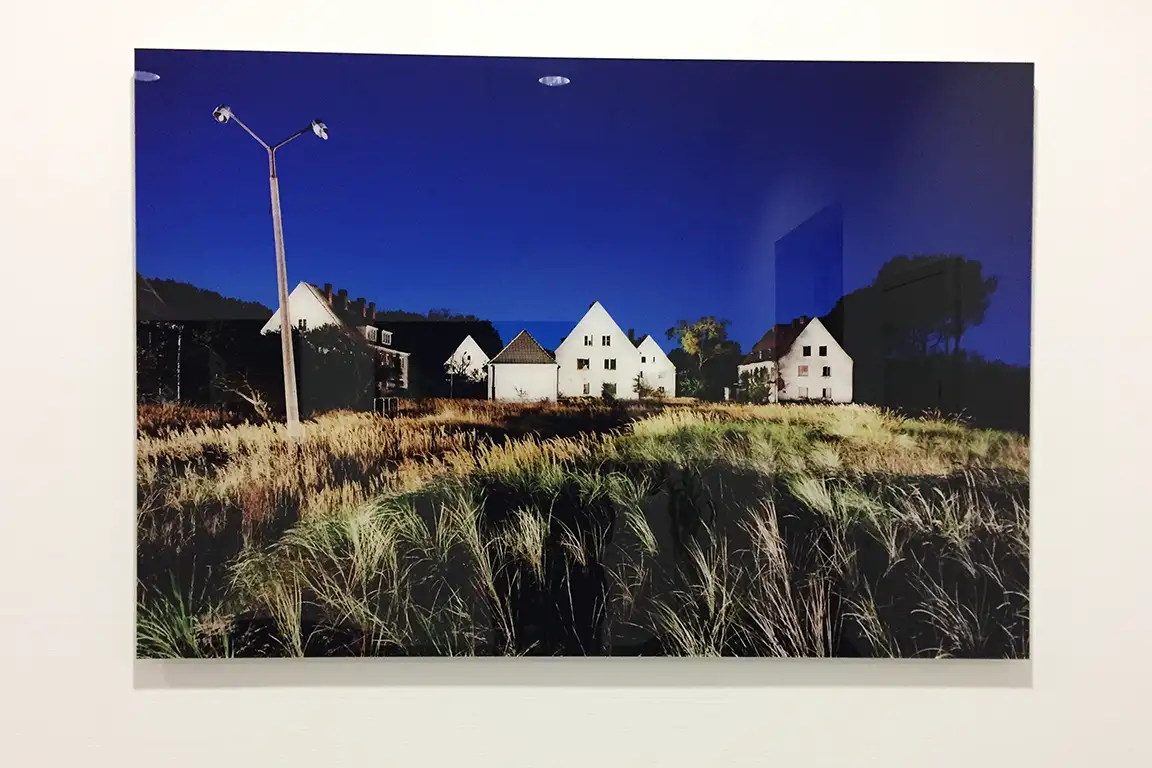
The image is mounted behind 4 mm acrylic glass onto a 2 mm thick aluminium Dibond panel – the standard option, which is recommended for its high-quality finish. Alternatively, a version with 2 mm acrylic glass mounted onto 2 mm aluminium Dibond is available.
The timeless design of these acrylic glass prints is widely popular. An aluminium frame on the back ensures easy and secure hanging. Glossy and matt finishes are available.
Glossy glass offers maximum brilliance and depth, reflecting light when exposed to direct light. Matt glass is the elegant solution for bright rooms, as it absorbs reflections almost completely.
Paper: Fuji Crystal Archive photo paper
Polished edges
Bespoke Frames
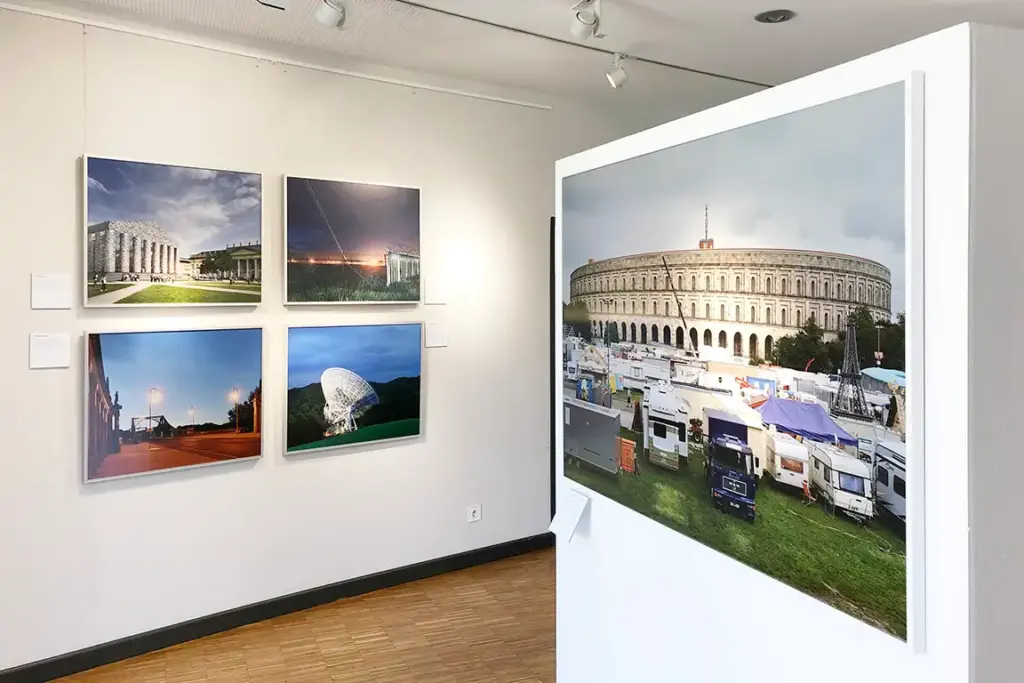
Bespoke frames offer the opportunity to style the print to suit your personal taste and style. The frame colour, profile width and depth can be customised to ensure the presentation is perfectly tailored to the image.
Museum-grade glass can be used, which is virtually reflection-free and allows the colours and details of the print to be seen in their true form. This creates an elegant, clear and expressive presentation that emphasises the character of the print.
- Frames available in a choice of wood type, colour and profile
- Frame depth to your specifications
- Museum-grade glass for a high-quality, reflection-free finish
- Ideal for personal collections
only the Print
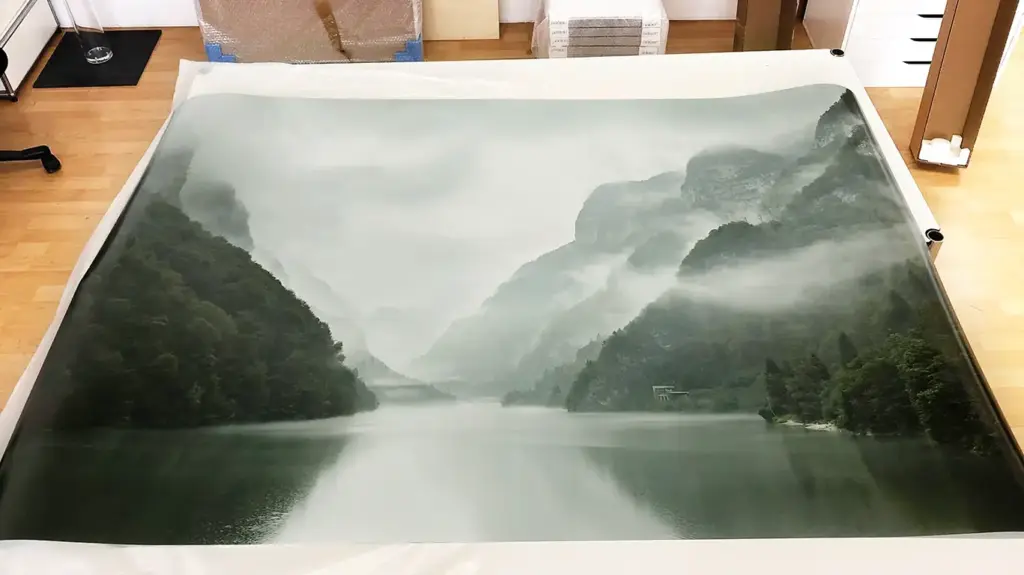
The print is also available unmounted and offers pure fine art quality on high-quality paper. The loose pigment print (inkjet) is usually shipped rolled up and should be processed or framed immediately upon receipt. Please do not store the inkjet print rolled up for any length of time.
If you wish to frame the print yourself or have it framed, we recommend an additional white border around the image. This makes mounting easier (e.g. behind a passe-partout) and protects the edges of the image.
To ensure the print lies perfectly flat, it can be mounted onto a 1 mm thick Forex board.
- Archival pigment print on baryta paper
- White border available for mounting in a passe-partout
- Optional mounting on 1 mm Forex for perfect flatness
- Delivered rolled
Wax sealing (protection)
The wax is carefully applied by hand in an ultra-thin layer to the photograph, sealing the surface. This not only gives the image a sophisticated finish but also provides effective protection against scratches, dust and fingerprints. The wax sealant is particularly recommended for Prints mounted on Aluminium Dibond and Floater Frames.
Printing Methods & Paper
The Inkjet Print
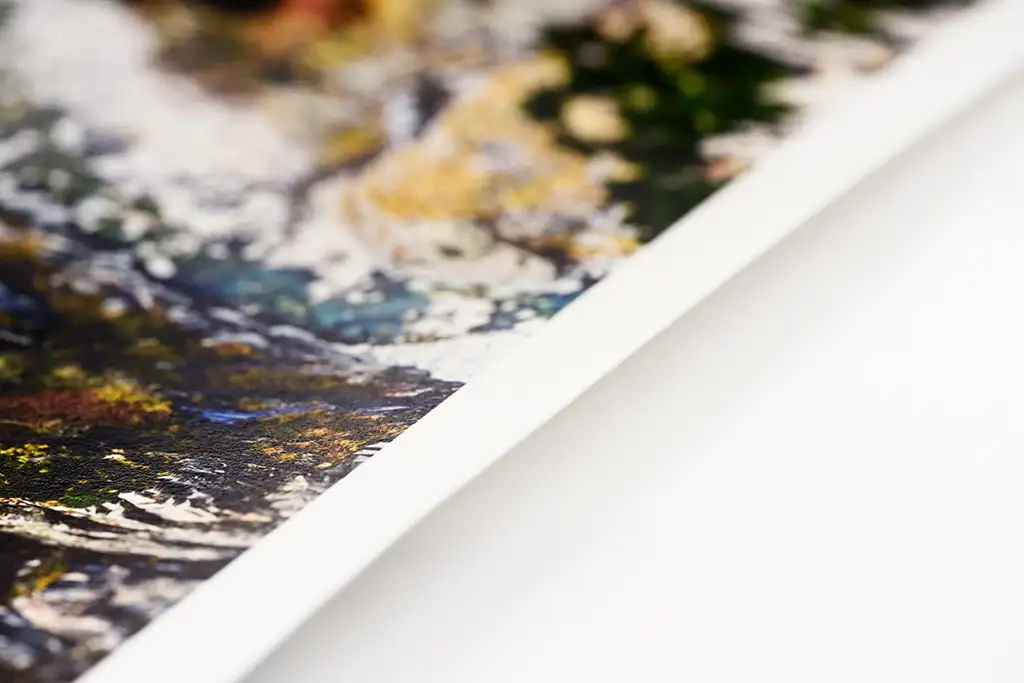
The image is printed on high-quality baryta paper. Pigment inks ensure exceptional longevity (80–200 years), excellent sharpness and high colour stability. This technique is also known as an archival pigment print.
- Very fine image detail
- Subtle tonal gradations
- High colour brilliance
- Excellent durability (80–200 years)
Thanks to the precision of the inks, the finest structures and subtle tonal gradations can be reproduced – the fine paper texture is preserved. These prints are ideal for display on aluminium Dibond or in a shadow gap frame.
Paper:
Baryta papers from Hahnemühle or Canson
Laser Exposure
In laser exposure, the photographic paper is exposed digitally and then developed chemically in the same way as a conventional photograph. The end product is a genuine photograph, not a print. The two most widely recognised processes are the LightJet print and the Lambda print
- Brilliant colours
- Very high resolution and detail
- Absolutely smooth colour transitions
- High durability
Together, these qualities make laser exposure one of the most refined photographic printing processes available. The end product is a genuine photograph on photographic paper, particularly well suited for display behind glossy or matt acrylic glass.
Paper:
Fuji Crystal Archive paper
Baryta Paper
Baryta paper (fine art inkjet paper) is a high-quality fine art paper with a baryta-reinforced coating, familiar from the traditional darkroom. It offers exceptional depth in black tones, a natural surface texture and very high durability. The combination of the baryta coating and pigment inks produces an elegant, finely nuanced print with excellent archival stability.
Features:
- classic-looking baryta surface
- elegant feel, light paper texture
- deep blacks, fine nuances
- very high durability (80–200 years)
Fuji Crystal Archive Paper
Fuji Crystal Archive is a genuine photographic paper designed for laser printing. It produces brilliant colours, smooth gradations and exceptionally clear detail. The paper is colour-stable, durable and offers the classic look of traditional photographic prints – with a smooth, high-quality finish.
Features:
- genuine photographic paper (silver halide-based)
- brilliant colours, smooth transitions
- exceptionally high level of detail
- ideal base for high-quality acrylic glass presentations
Edition
Limited Edition
A limited-edition print means that the number of copies of a particular photograph is limited. Most of my series are limited to 9 copies per motif. For older series, the limit may still vary depending on the format.
Each print is personally signed and individually numbered by me. For mounted works, there is a certificate sticker on the reverse side containing all relevant details (title, series, signature) as well as the edition number (e.g. 3/9) – for unmounted prints, this is supplied with the print.
Artist Proof
The artist’s proofs (AP) from a print run serve as proof copies and are reserved for exhibitions or archiving. As a rule, one artist’s proof is provided – in the event of any deviations, the number of available APs is explicitly stated.
Certificate of Authenticity
Each print is supplied with a signed Certificate of Authenticity. It details the title, series, year of production, format, medium, finish and individual edition number.
Orders
Studio Visit & Consultation
You are very welcome to view the various prints and finishes at my studio in Stuttgart. I will show you the different materials, frames and sizes.
On request, I can also create digital wall visualisations.
Order Process & Payment
Prices can be found directly on each photograph’s page.
1. Quote
Once you have chosen your finishes and format, please send me a message via the contact form. You will then receive a written quote including individually calculated postage or delivery costs.
2. Order & payment
If everything is to your satisfaction, you will receive an invoice from me. Production of your print will begin once payment has been received.
3. Completion & delivery
Your print is typically produced within 14 working days and will then be dispatched securely packaged or delivered in person.
Shipping & Delivery
All prints can be shipped worldwide or collected from my studio in Stuttgart. Depending on the format and quantity, they are shipped in reinforced cardboard packaging or a custom-made, sturdy wooden crate. As shipping costs depend on size, weight and destination, these are calculated individually and shown in the quote. Within Germany, they range from €8to €200, depending on size and weight.
In the greater Stuttgart area and along my regular travel routes, personal and free delivery is available – subject to scheduling. I will be happy to let you know in the quote whether this option is available in your case.
Production & Delivery Times
Your print is produced by my Professional print lab and usually takes around 14 working days. Please note that seasonal variations may occur during peak periods (e.g. before Christmas) or during the holidays.
Cancellation & Returns
Quality & Returns:
Every fine art print is produced to the highest standard and checked both by the Professional print lab and by me personally before dispatch.
Please understand that each print is a unique, bespoke piece and that, in accordance with Section 312g(2)(1) of the German Civil Code (BGB), these works are excluded from cancellation and returns.
Transport damage:
Should the print arrive damaged despite specialised protective packaging, please document the damage with photographs and contact me immediately. All shipments are, of course, fully insured.
FAQ & Service
How do I place an order?
Simply send me a non-binding enquiry via the image enquiry form — I will put together a personalised quote including shipping costs. Production only begins once payment has been received.
The right choice
Choosing the right print size is worth considering carefully — and most prints tend to be chosen too small. The best method: cut out your desired image size from newspaper and fix it to the wall with painter’s tape or a removable adhesive. Only then will you get a true sense of whether the format is right.
The virtual room views provide additional help in assessing the effect within a spatial context. And if you would like: send me a photo of the room and I will create a personalised room view for you.
Coverage for future damage
Should your print ever be damaged by an accident — such as during a move — there is a straightforward solution. For as long as I offer this service, I will reproduce the image for you — you pay only the actual production and shipping costs plus a small handling fee. To arrange this, I will need the damaged print or clear photographic evidence of the damage.
How to Care for Prints
Fine Art Prints are robust — but not indestructible, and they need care like a good relationship. A few simple precautions will help ensure your print looks as beautiful as the day it arrived.
Please never touch the print surface directly with bare fingers. Fingerprints are more stubborn than you might think. Acrylic glass is best cleaned with a soft, antistatic microfibre cloth. If necessary, dampen it very slightly. No glass cleaners, no solvents, no rough cloths. Acrylic scratches more easily than it appears.
Always remove dust from Inkjet Prints with a soft brush. The gap between the print and the frame can collect dust — simply use the soft brush here too. Carefully applied compressed air is also an option, but avoid aerosol cans as these can release liquids that may damage the print.
The ideal protection for Inkjet Prints is the wax sealant — it effectively seals and protects the surface.
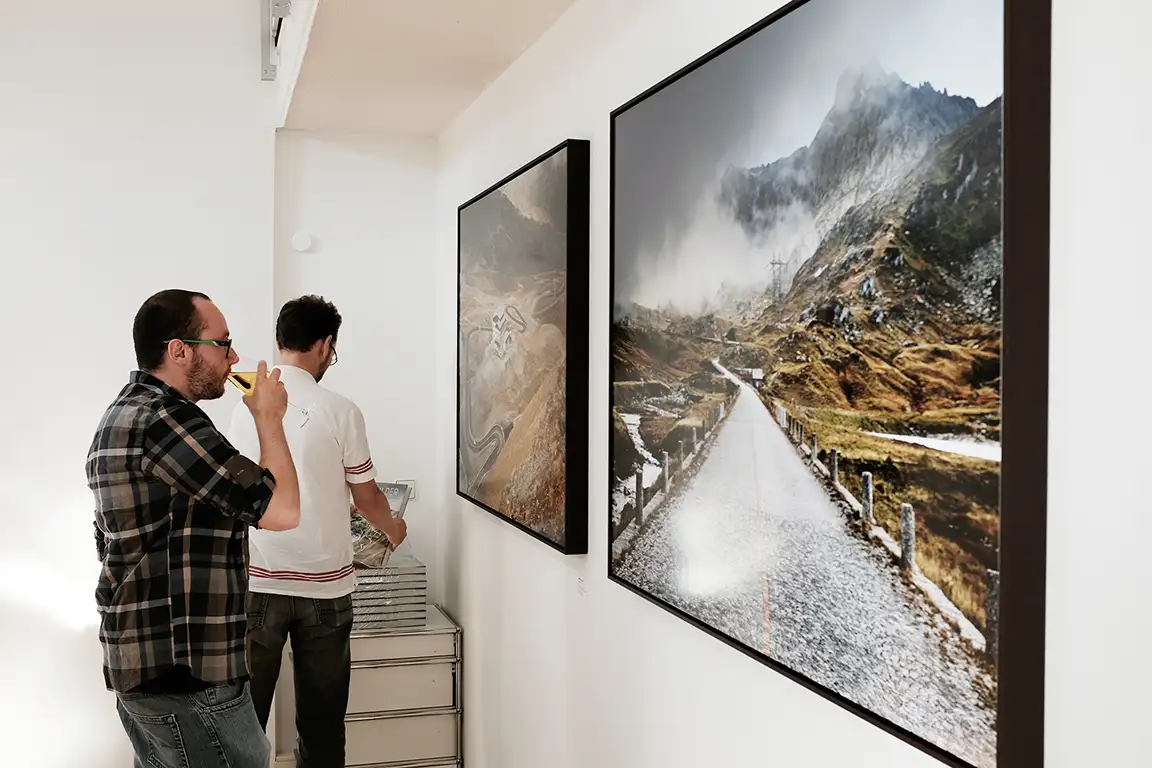
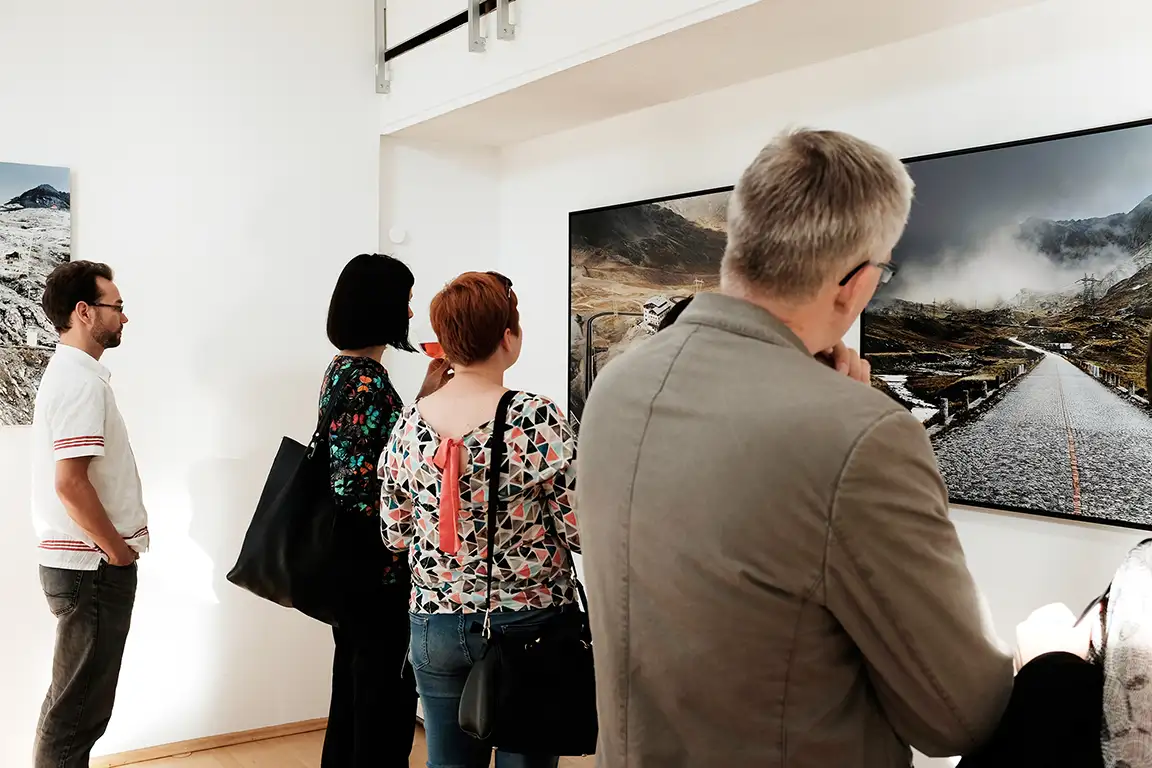
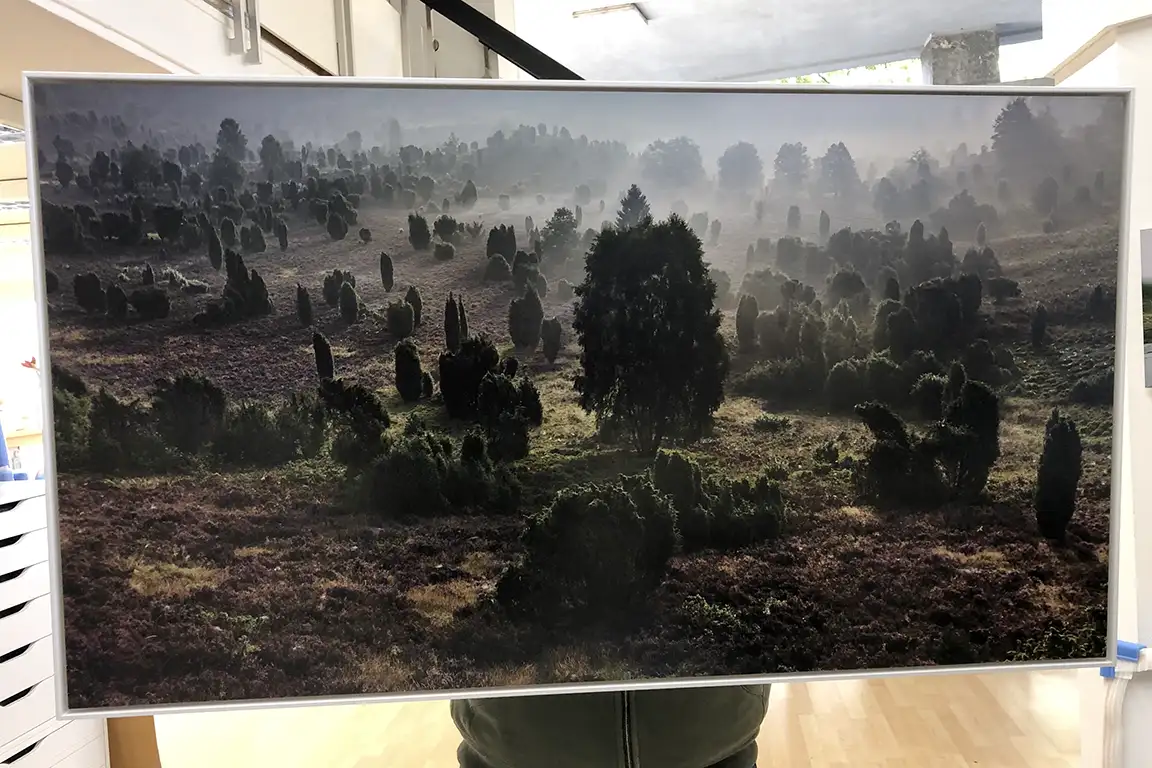
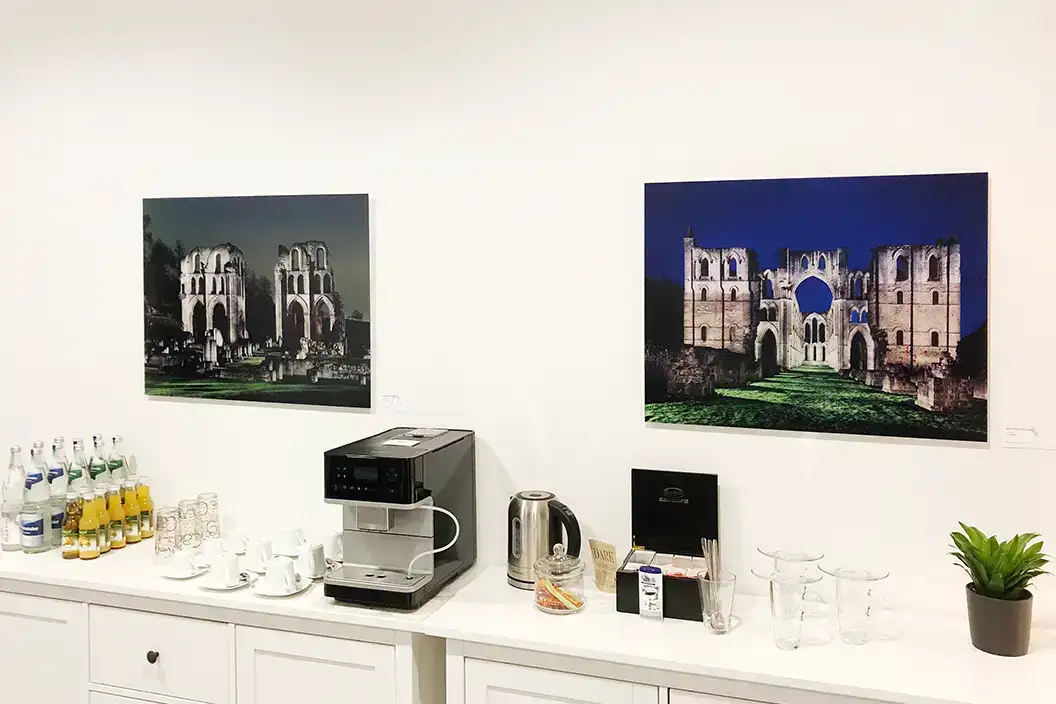
Floater Frame / brown
Prints in a brown shadow gap frame
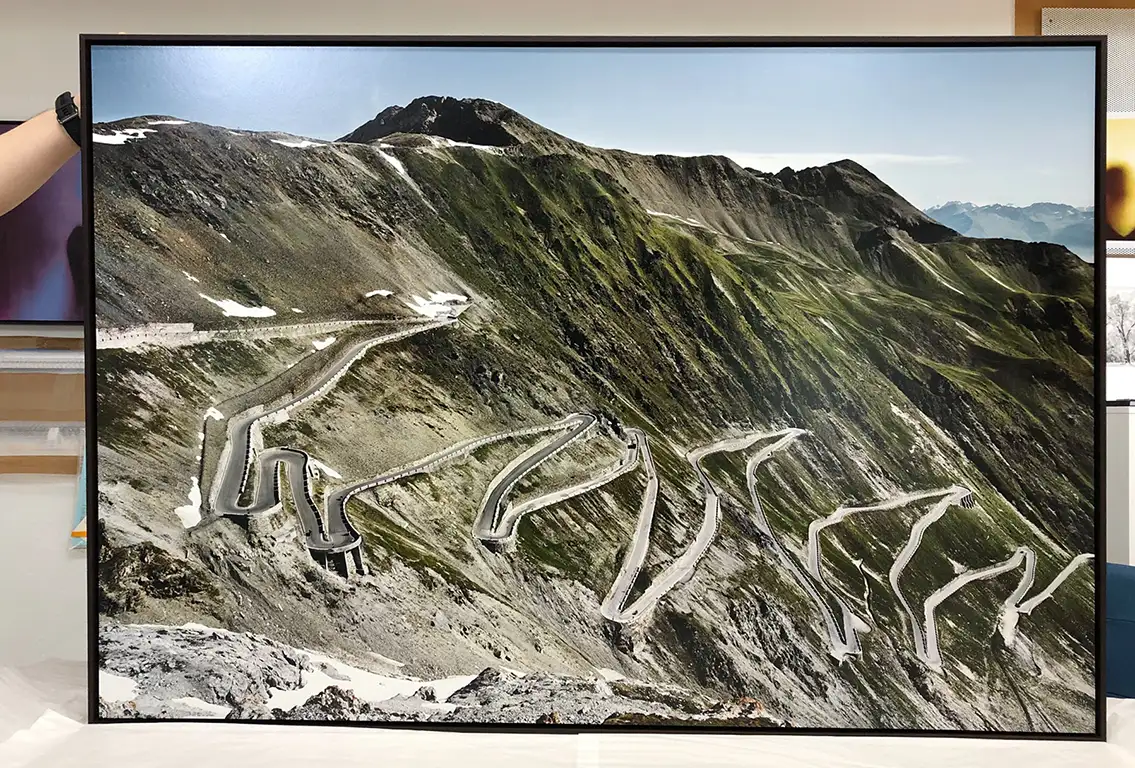
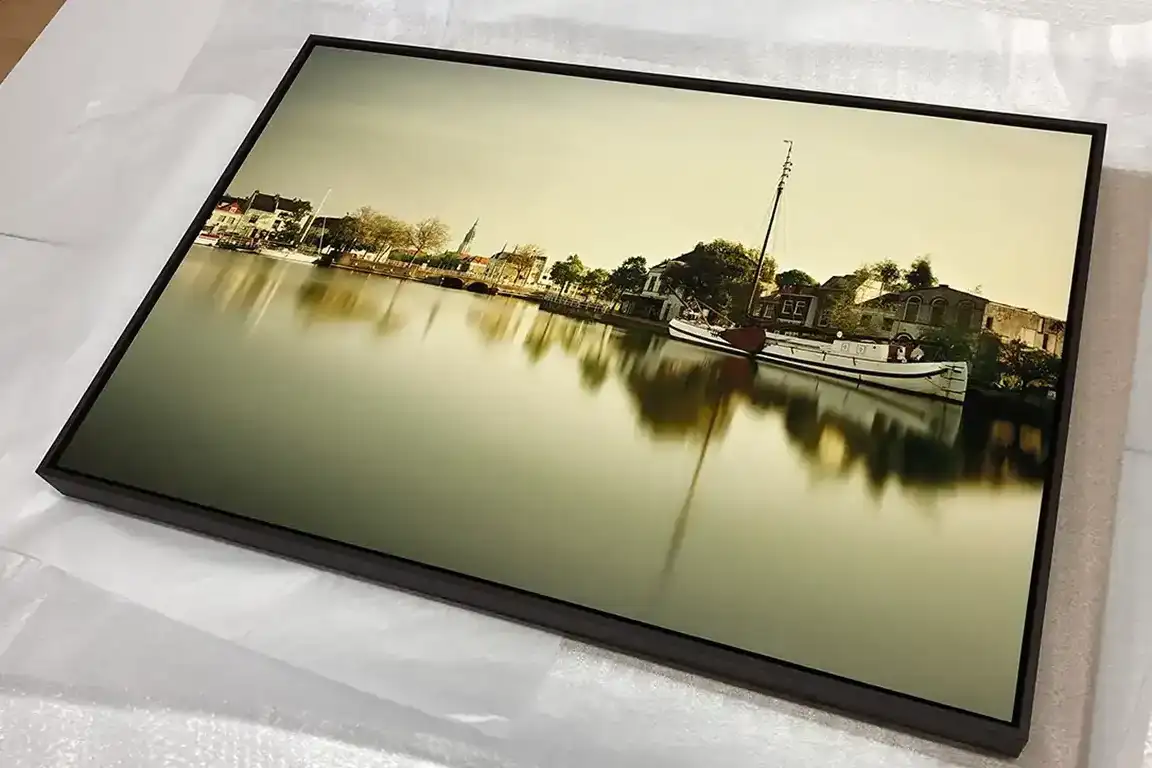
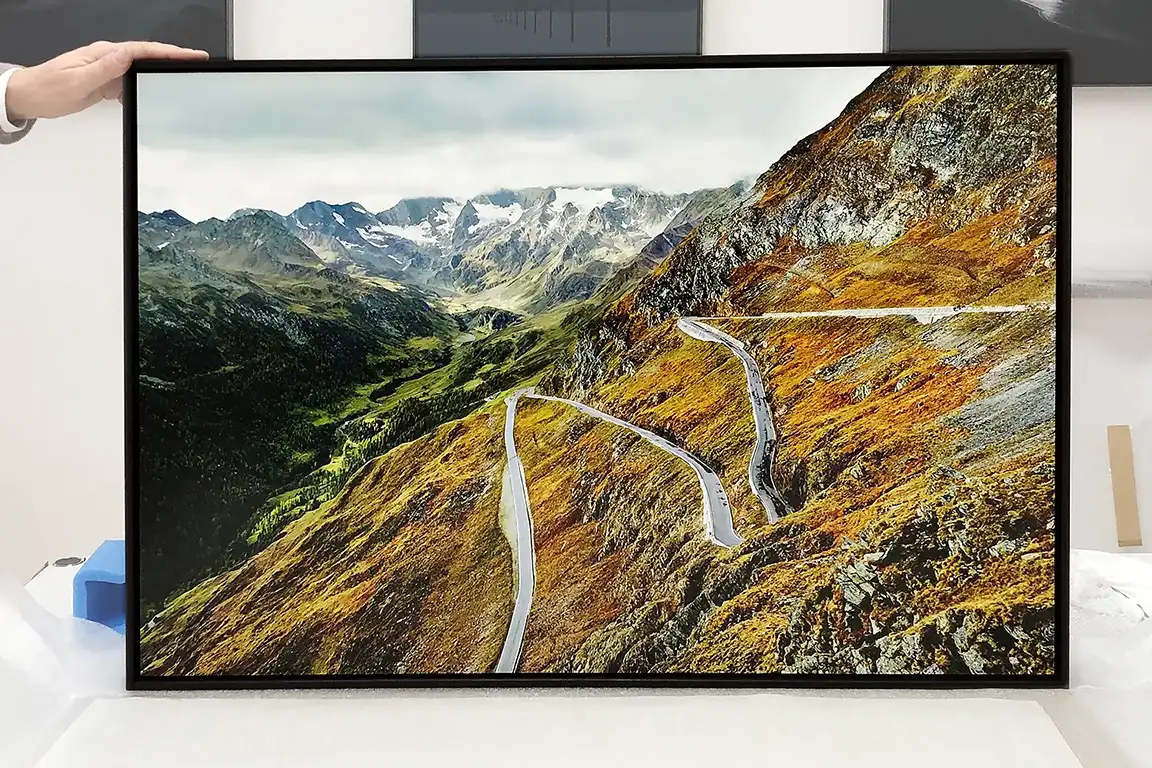
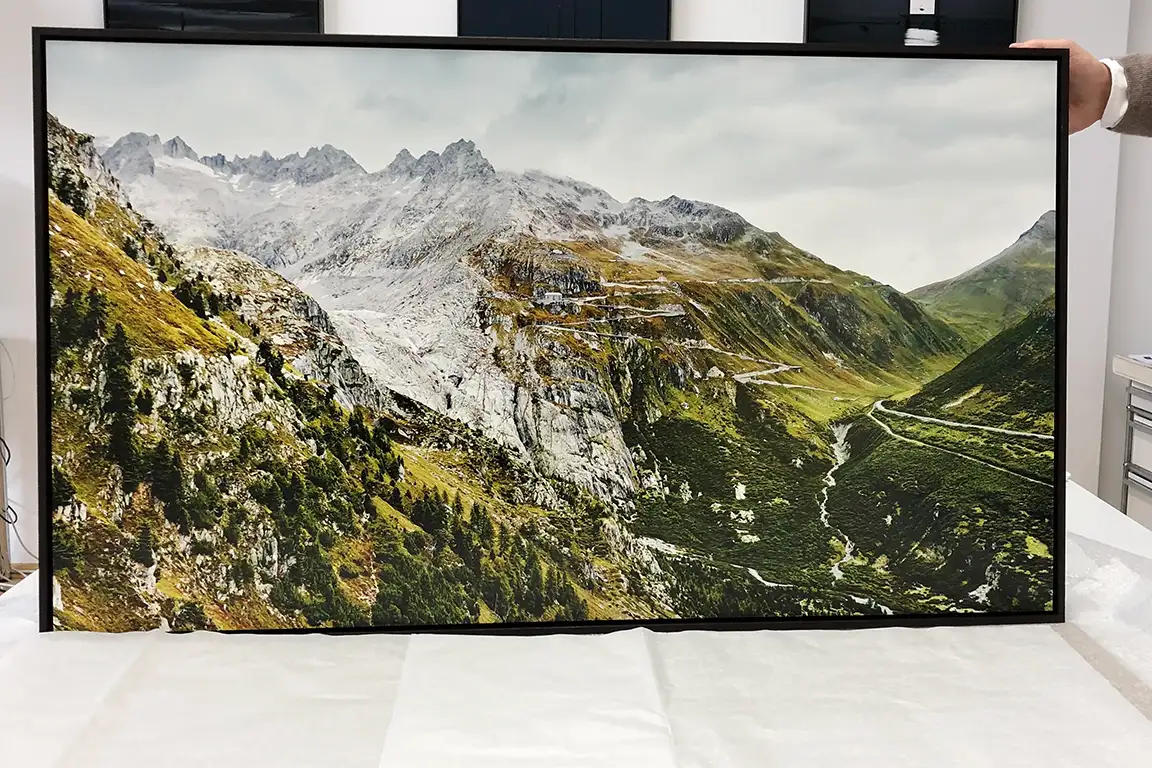
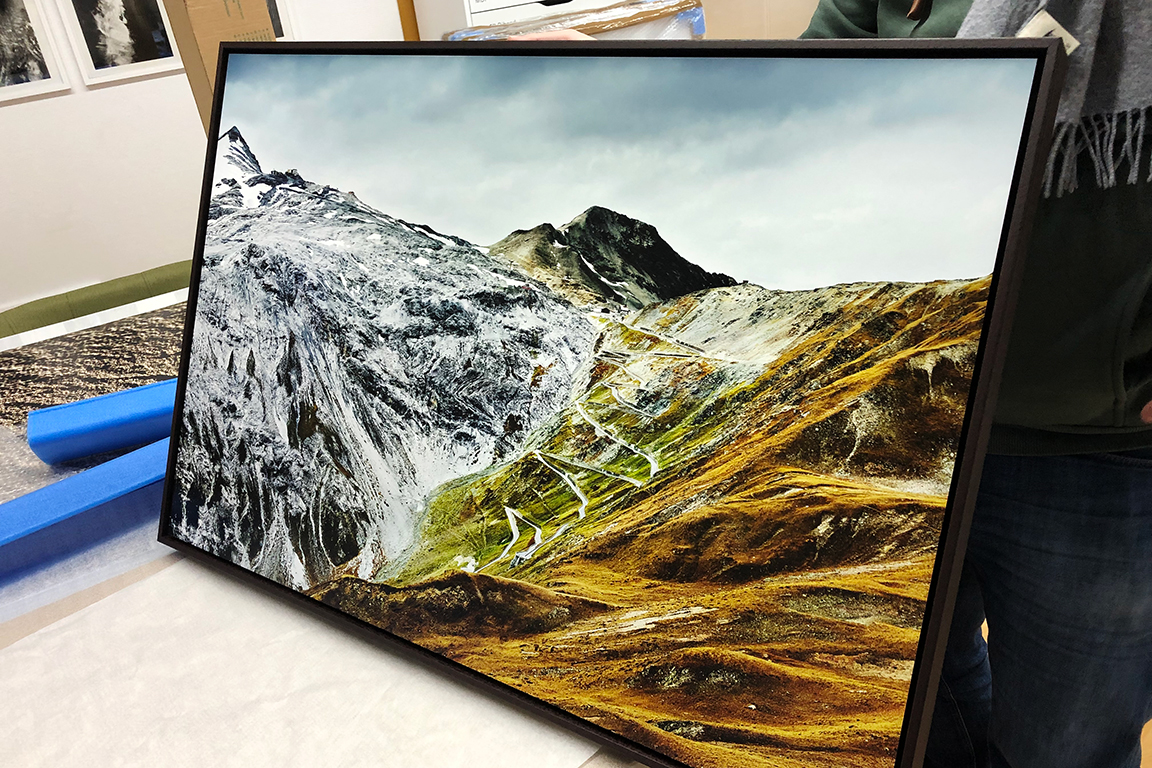
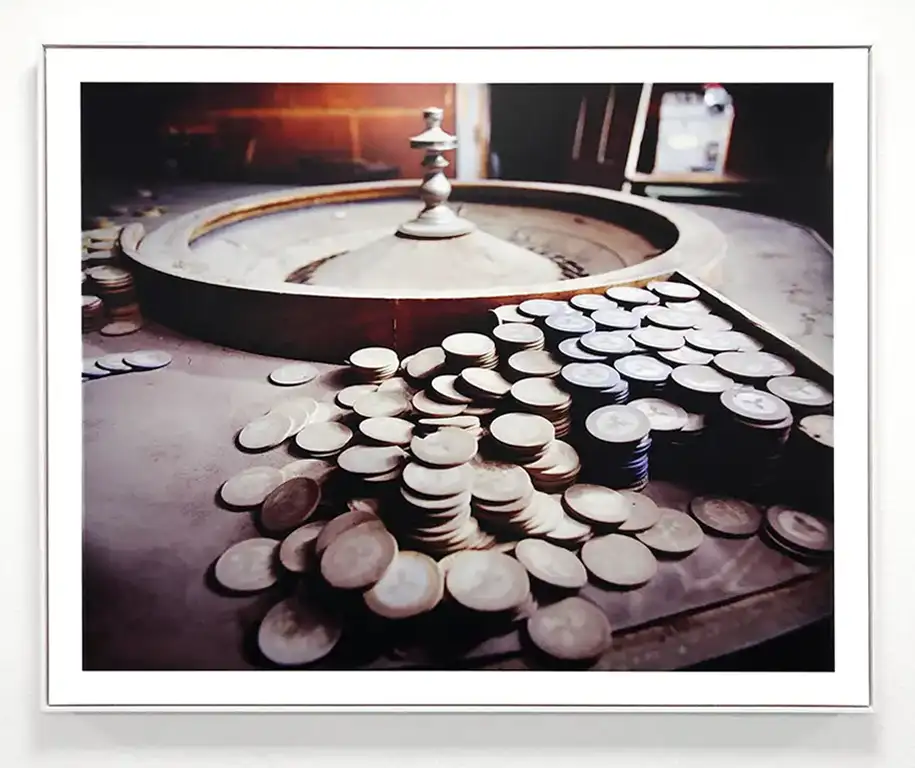
Floater Frame / white & black
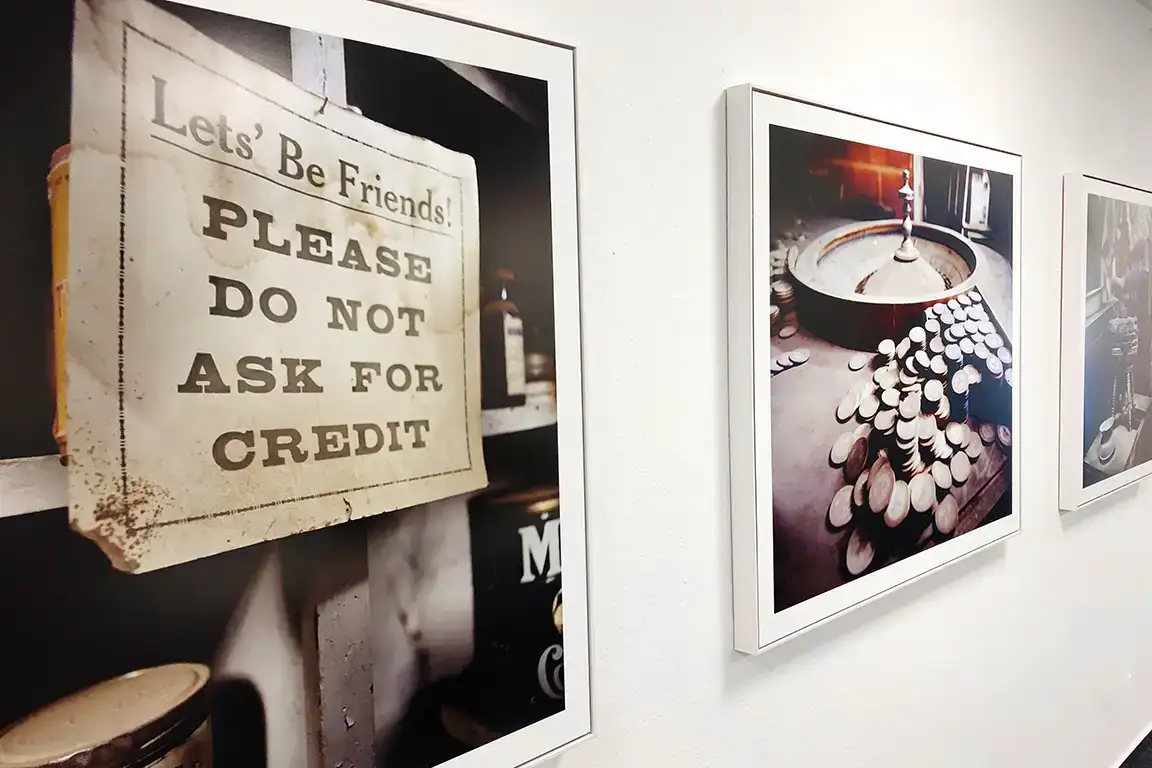
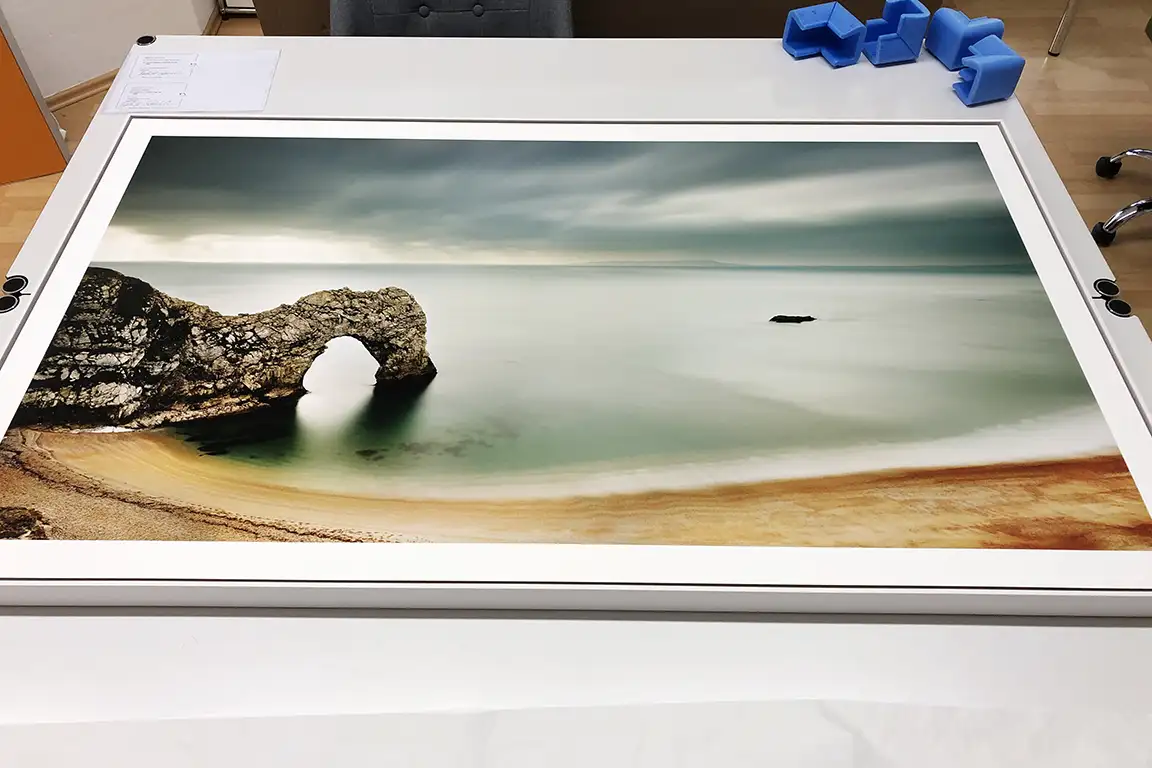
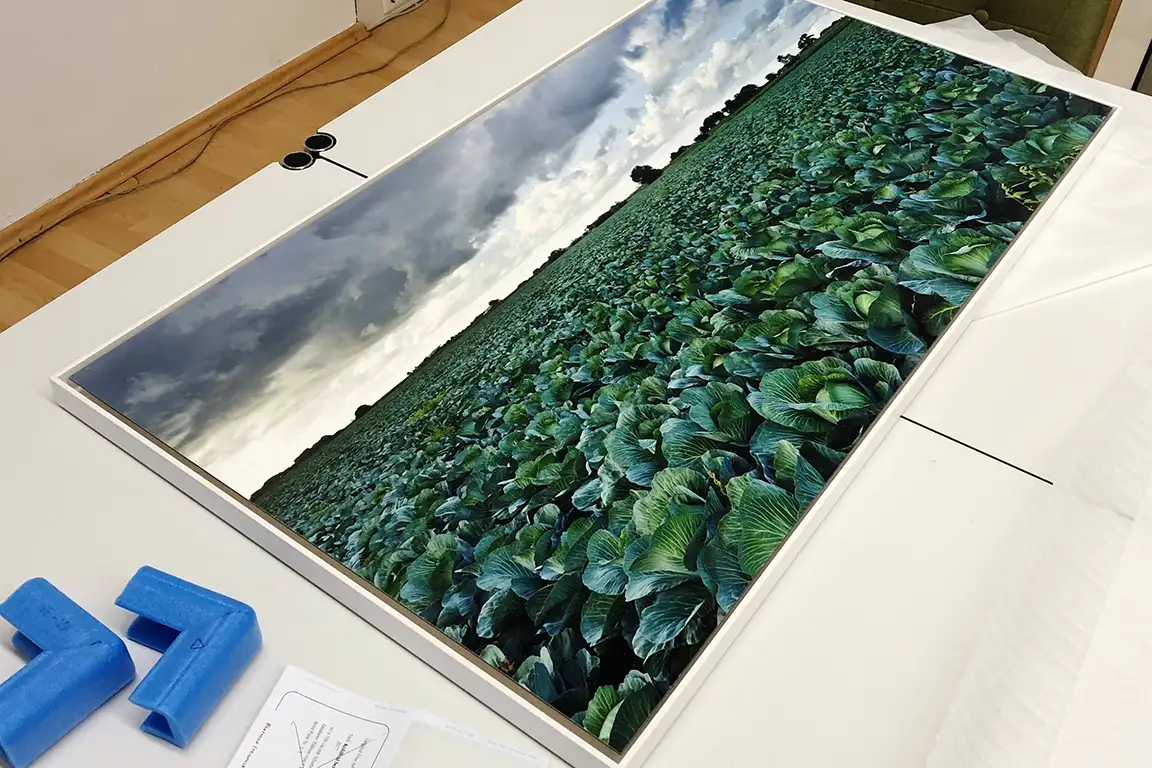
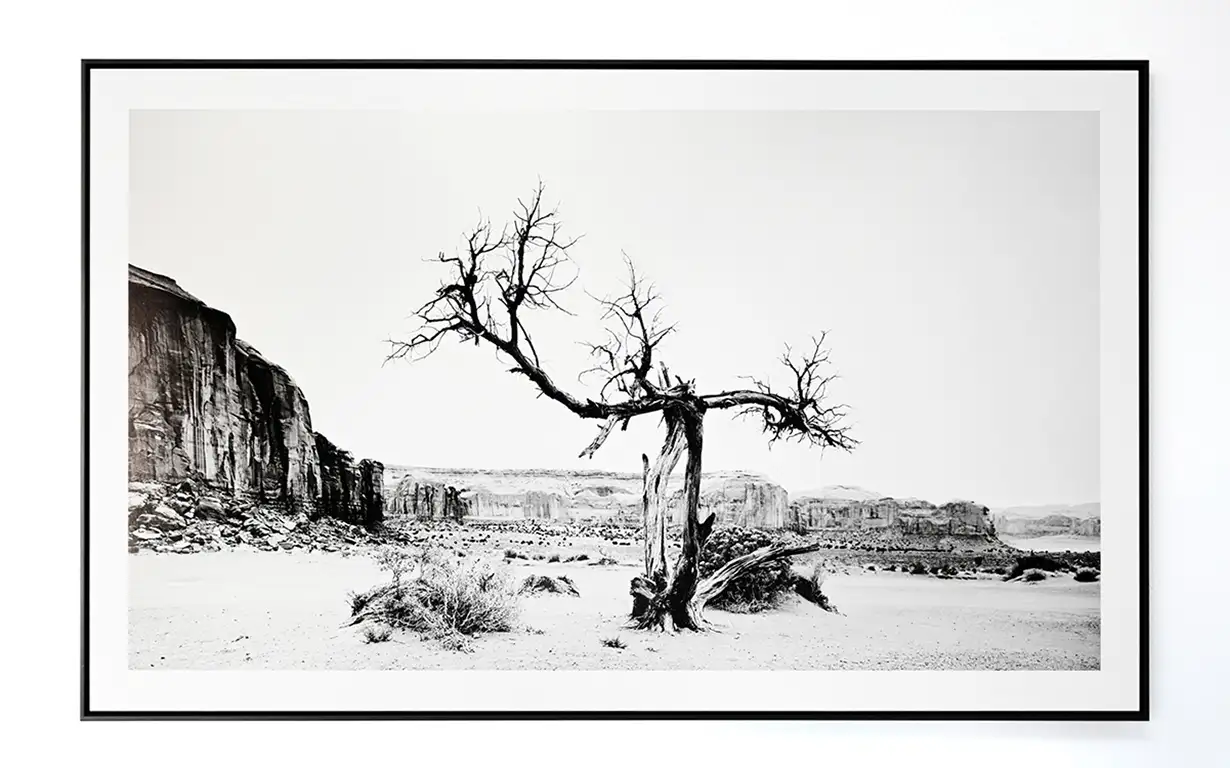
Prints in a white or black shadow gap frame
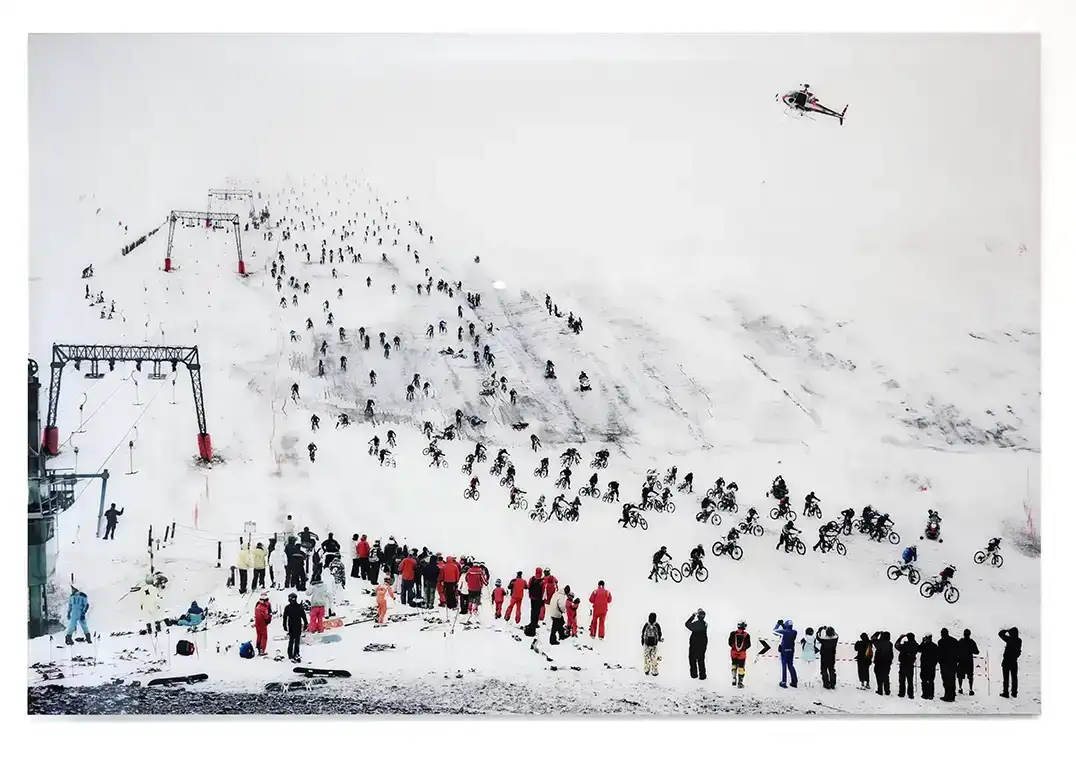
Acrylic Glass
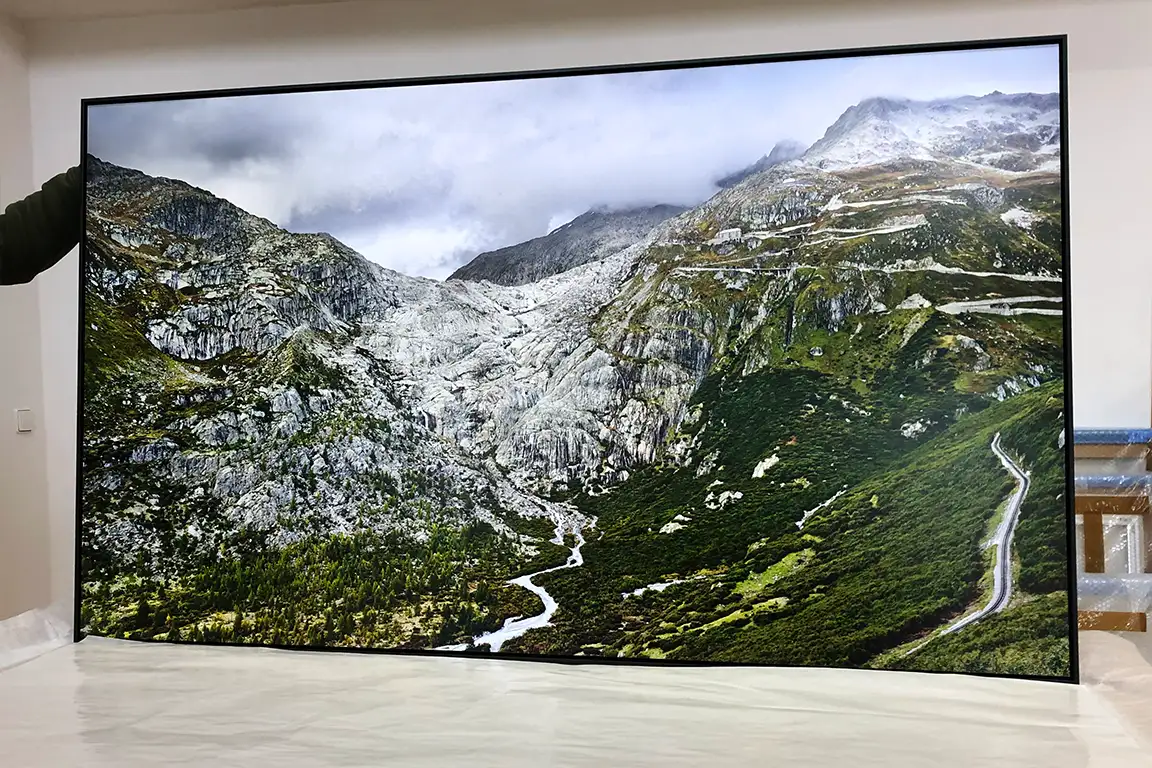
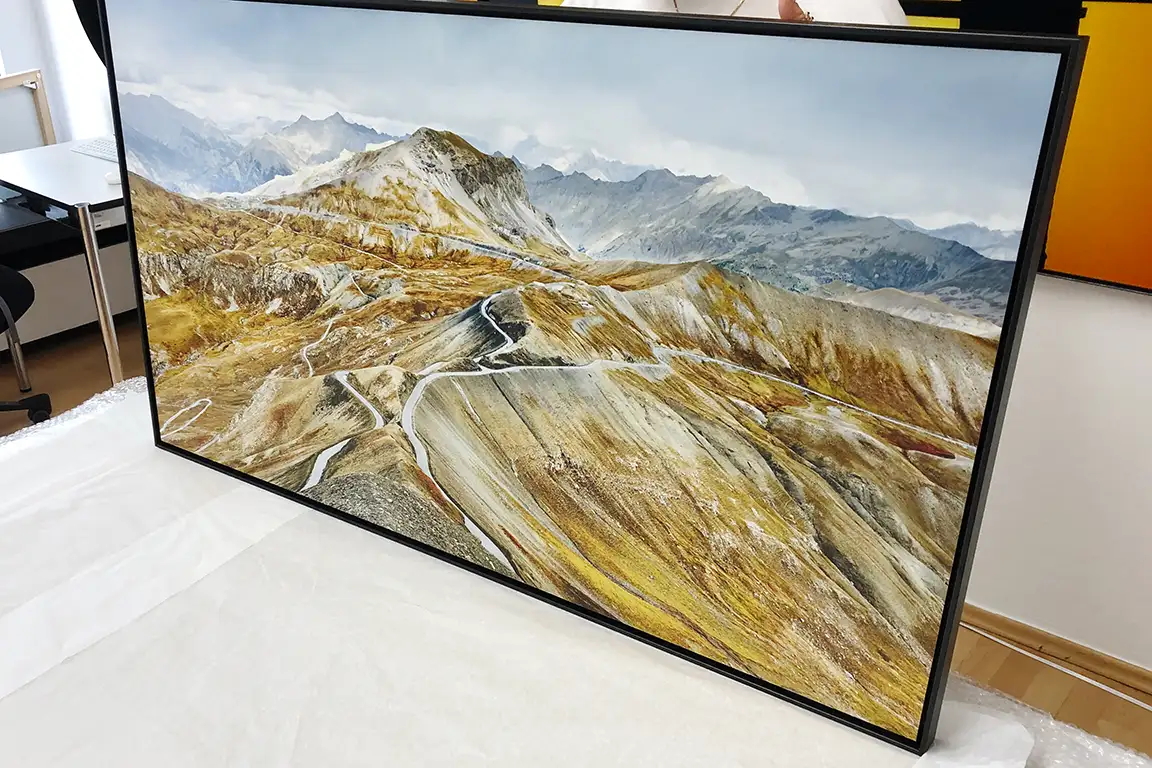
Prints mounted behind Acrylic Glass
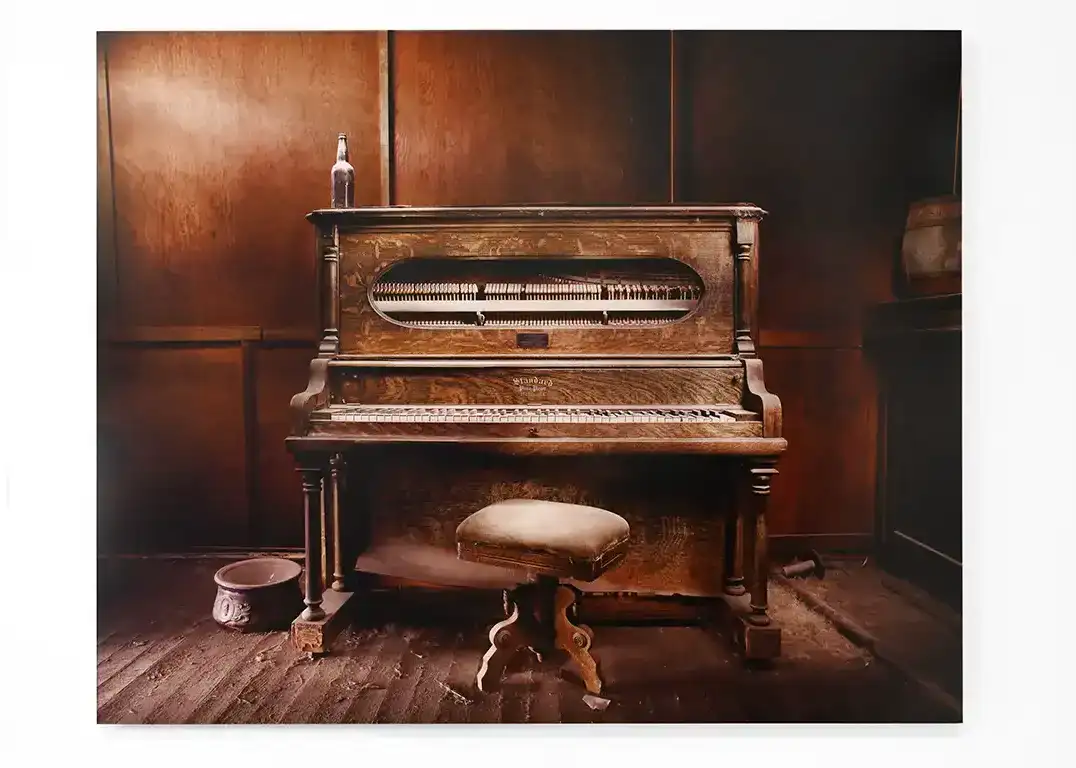
Face Mounting - Print on Alu-Dibond
Prints mounted on Alu-Dibond